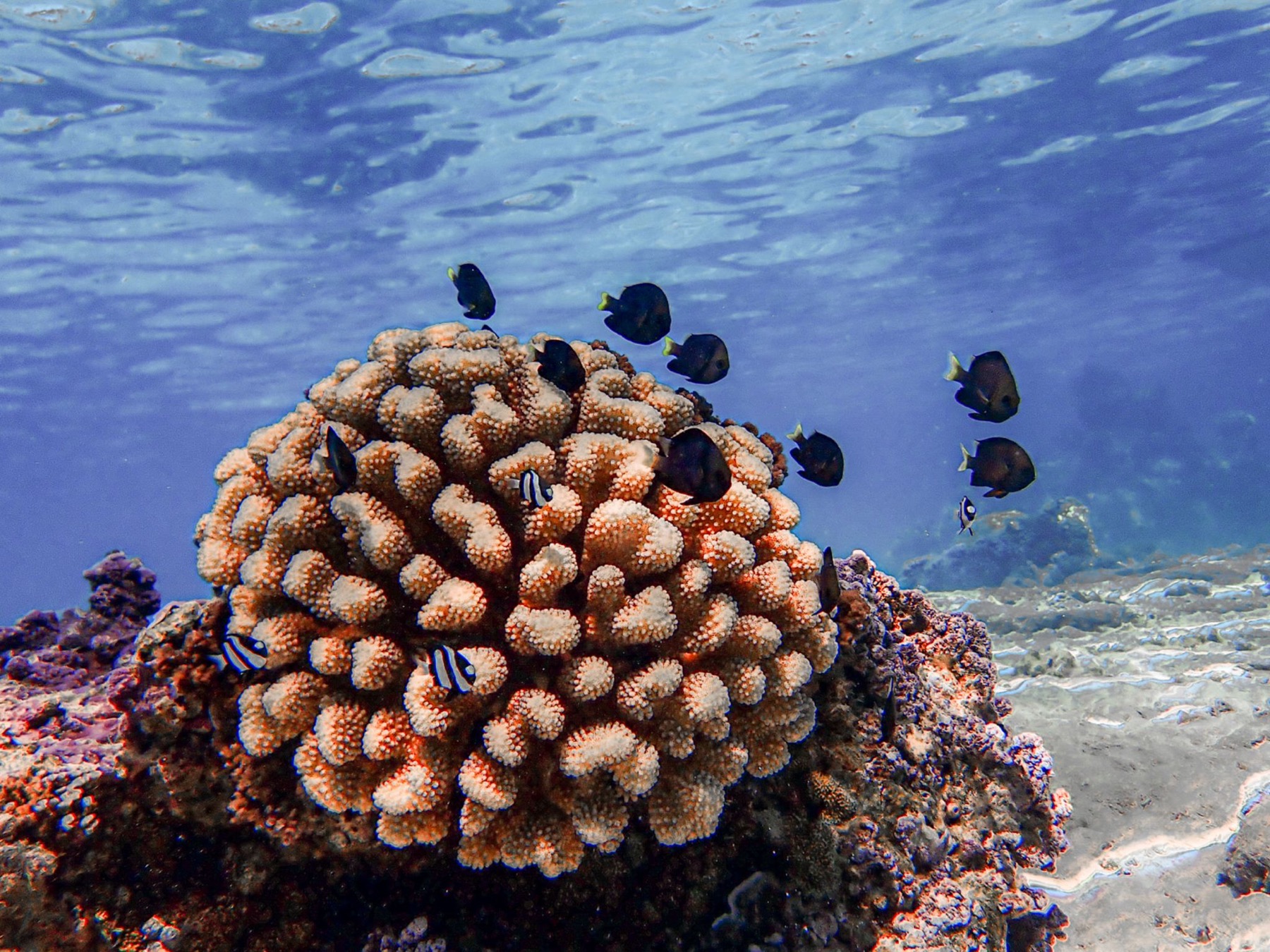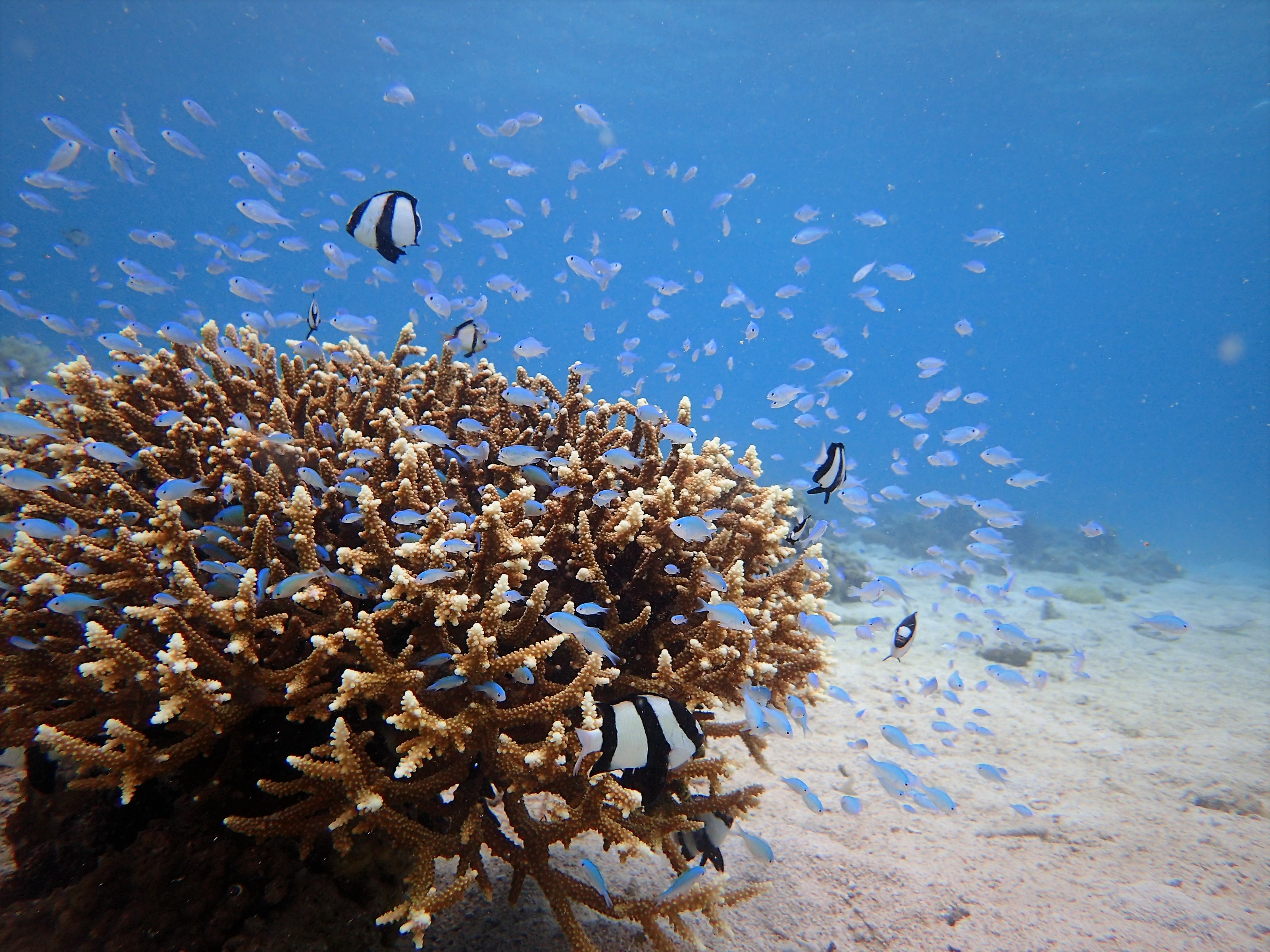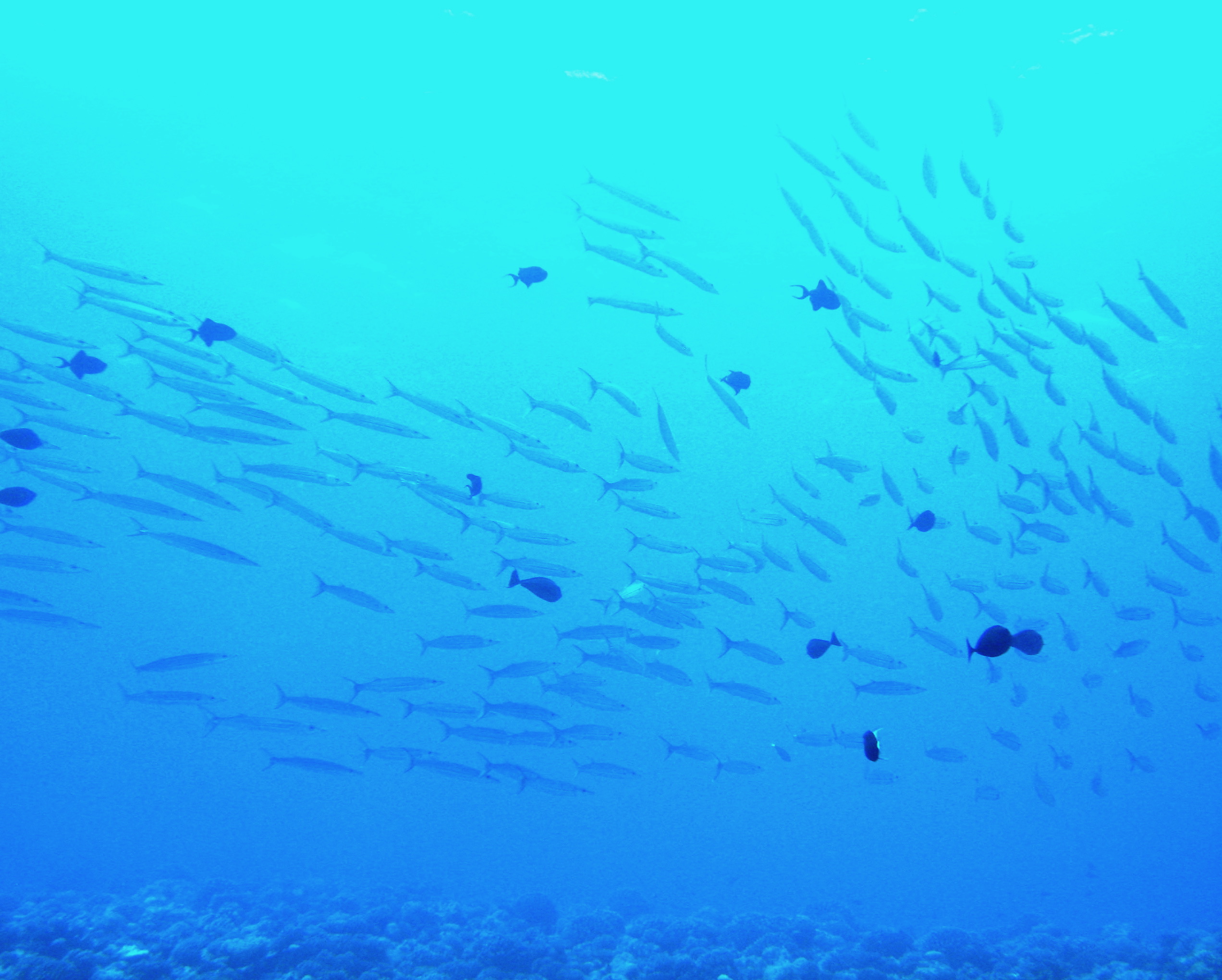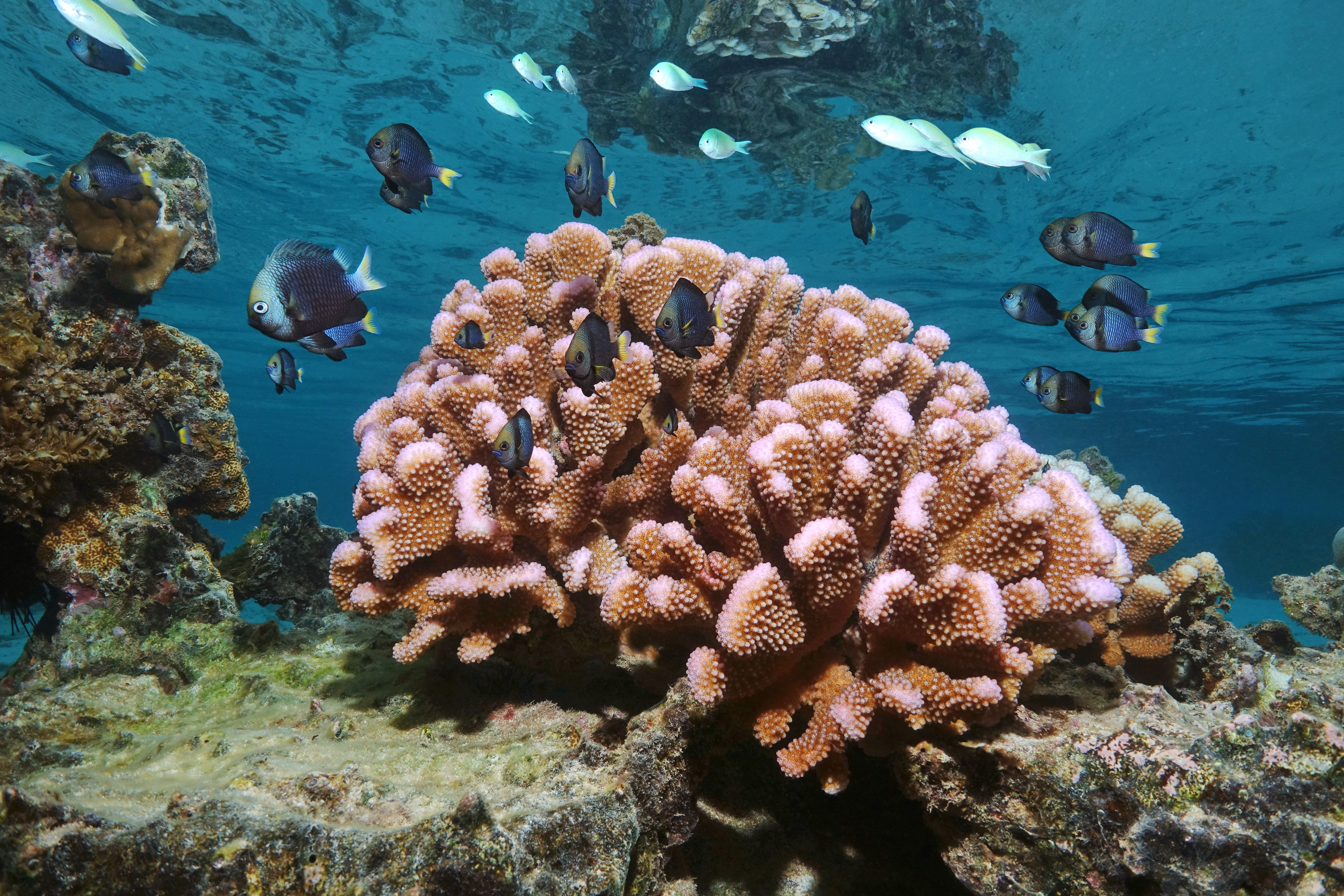
We studied what happens when young fish settle from the plankton onto coral reefs and face a competitive gauntlet. Some reefs are already crowded with residents, while others are nearly empty. Some settlers arrive early, while others come later. Research by Shane Geange, Davina Poulos, Adrian Stier, and Mark McCormick untangles how these factors combine to determine which fish successfully establish themselves.
We designed experiments that independently manipulated two factors: the abundance of fish already present on reef patches, and whether new settlers arrived before or after other colonizers. This allowed them to separate the effects of competition with many residents from the advantages of arriving early.
Both factors mattered, but in distinct ways. Higher resident abundance reduced colonization success, likely through increased competition for food and shelter. Priority effects also influenced outcomes: fish that arrived first gained advantages that persisted even as competitor numbers changed. Crucially, these effects operated independently and added together rather than interacting.
This additivity is important because it suggests the mechanisms driving each effect are different. Competition with residents probably involves direct scramble for limited resources, while priority effects may involve establishing territories, depleting local food patches, or gaining size advantages before competitors arrive.
The findings help explain the high variability in reef fish recruitment observed in nature. Settlement success depends not just on how many fish are already present, but on the complex history of who arrived when. Two reefs with identical current populations might have very different colonization outcomes depending on the sequence of previous arrivals.
For reef managers, these results suggest that timing of restoration efforts matters. Reseeding efforts might be more successful if they can establish fish before natural colonization waves arrive, gaining priority advantages. Understanding these dynamics becomes increasingly important as reefs face repeated disturbances and must recolonize after bleaching events and storms.
Citation
Geange, Shane W.; Poulos, Davina E.; Stier, Adrian C.; McCormick, Mark I. (2017). The relative influence of abundance and priority effects on colonization success in a coral-reef fish. Coral Reefs.
Cite this article
Geange et al. (2017). Both Timing and Numbers Matter for Young Fish Trying to Claim a Spot on the Reef. Ocean Recoveries Lab. https://doi.org/10.1007/s00338-016-1503-3