Our Values
The principles that shape how we do science, build community, and work toward ocean recovery.
Rigorous Science
We let the data lead.
Good science requires honesty — with ourselves, our collaborators, and the world. We design experiments carefully, analyze data transparently, and report findings whether they confirm or challenge our expectations.
Open & Reproducible
Science that others can build on.
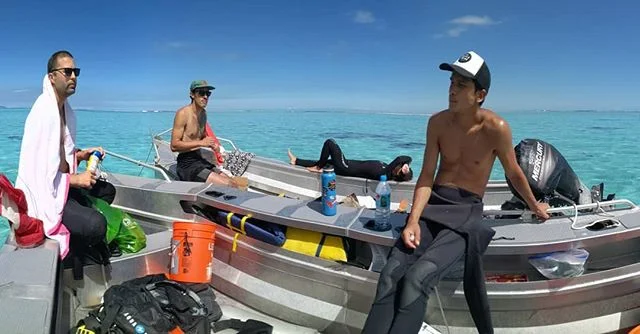
We share our data, code, and methods openly. Preprints, public repositories, and documented workflows are standard practice — not extras. When others can reproduce our findings and build on our work, science moves faster and trust grows. Closed science is slow science.
Collaborative Spirit
Science is a team sport.
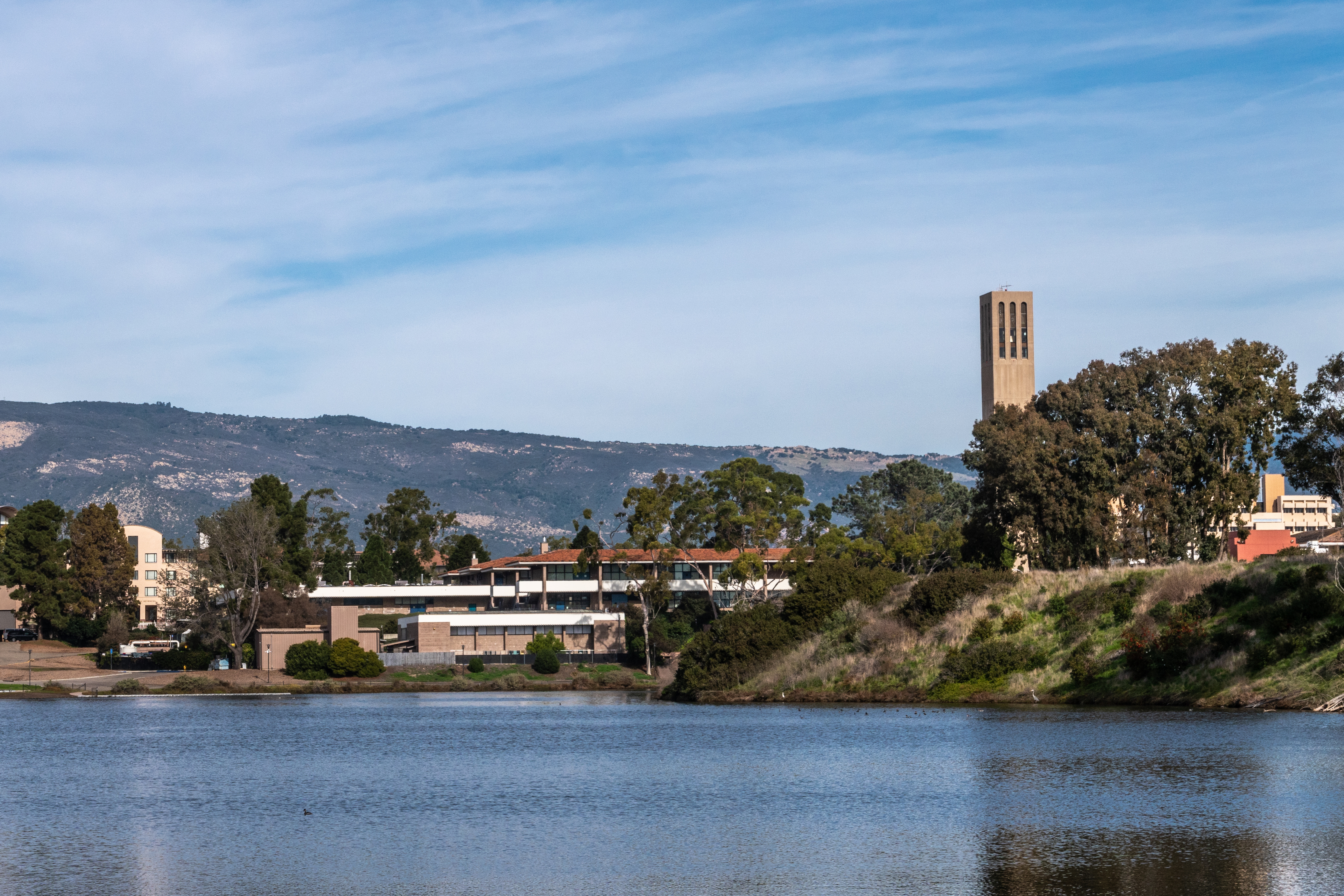
The questions we care about are too big for any one person or lab. We actively seek partnerships across disciplines, institutions, and sectors. We share credit generously, mentor openly, and believe that diverse perspectives make our science stronger. The best ideas often emerge from unexpected conversations.
Mentorship & Growth
Investing in the next generation.
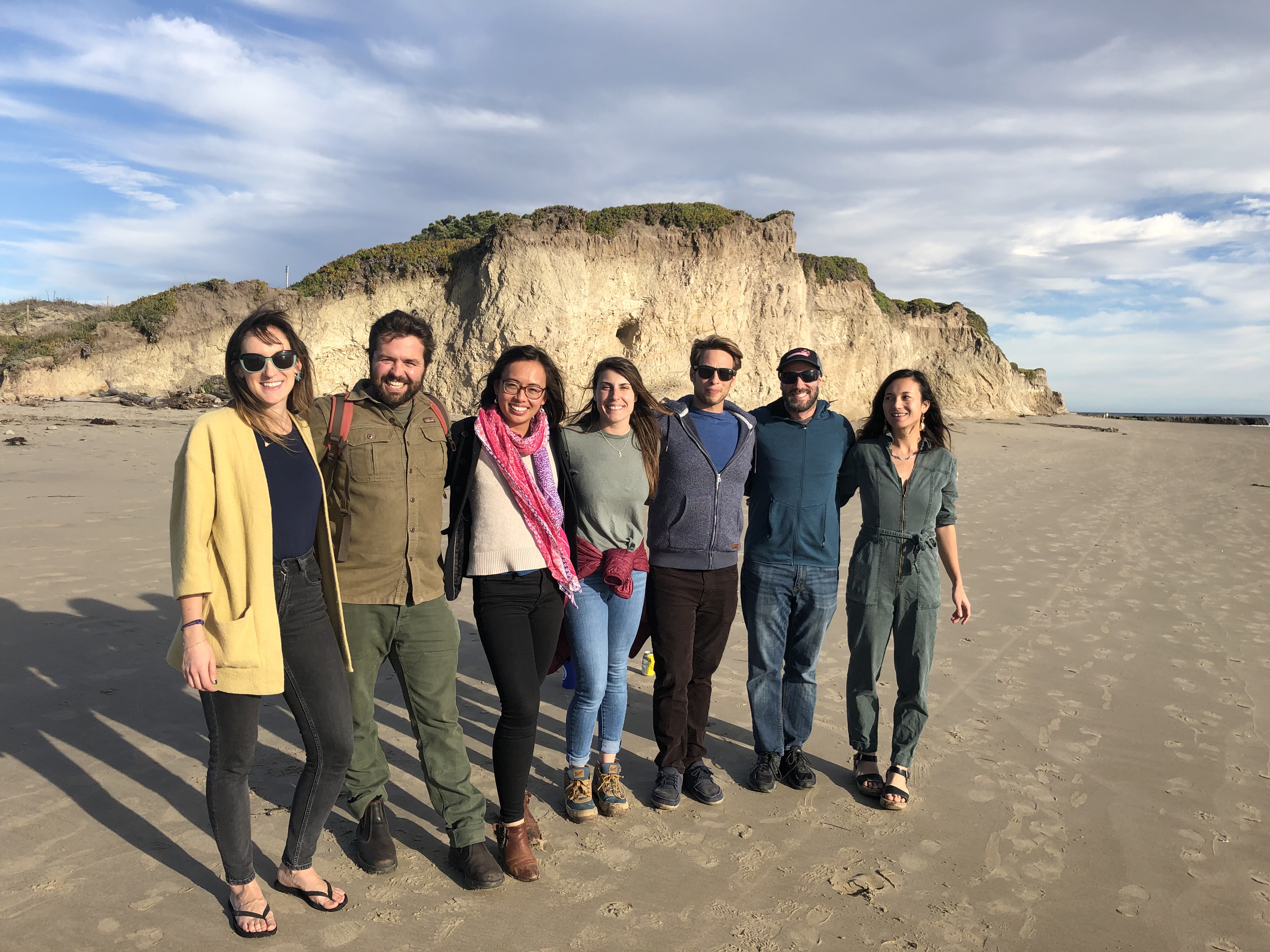
Training scientists is as important as doing science. We prioritize thoughtful mentorship at every career stage — from undergraduates discovering research for the first time to postdocs preparing for independent careers. We celebrate growth, provide honest feedback, and create opportunities for lab members to develop their unique strengths.
Actionable Impact
Research that reaches beyond the journal.
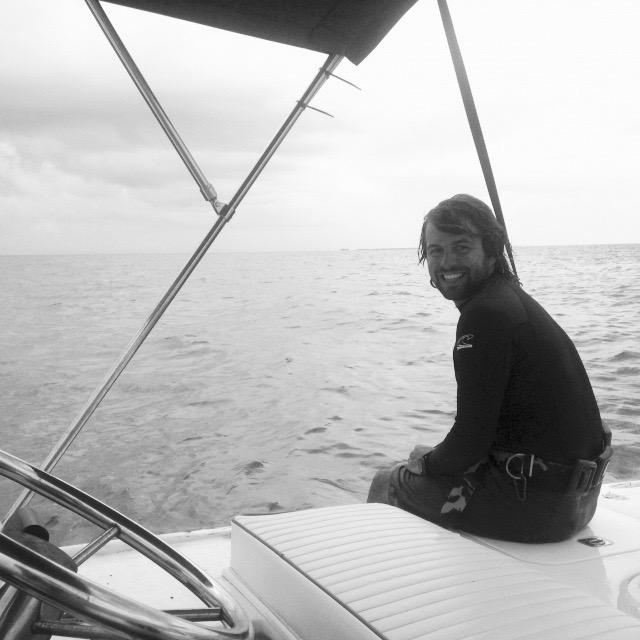
We do not study ocean recovery in the abstract — we want our work to matter for real ecosystems and real communities. This means engaging with managers, policymakers, and local stakeholders from the start, translating findings into actionable guidance, and measuring success by outcomes in the water, not just citations.
Inclusive Culture
Everyone belongs in ocean science.
Science has historically excluded many voices. We recruit from HSIs and HBCUs, use structured interviews to reduce bias, and host annual SACNAS workshops. Half our current grad students are first-generation college graduates.

Long-Term Thinking
Recovery takes patience.
Ecosystems operate on timescales longer than grant cycles or academic careers. We invest in long-term monitoring, maintain research relationships over decades, and resist the pressure to chase short-term wins. Understanding recovery requires watching it unfold — there are no shortcuts.
Grounded Optimism
Hope backed by evidence.
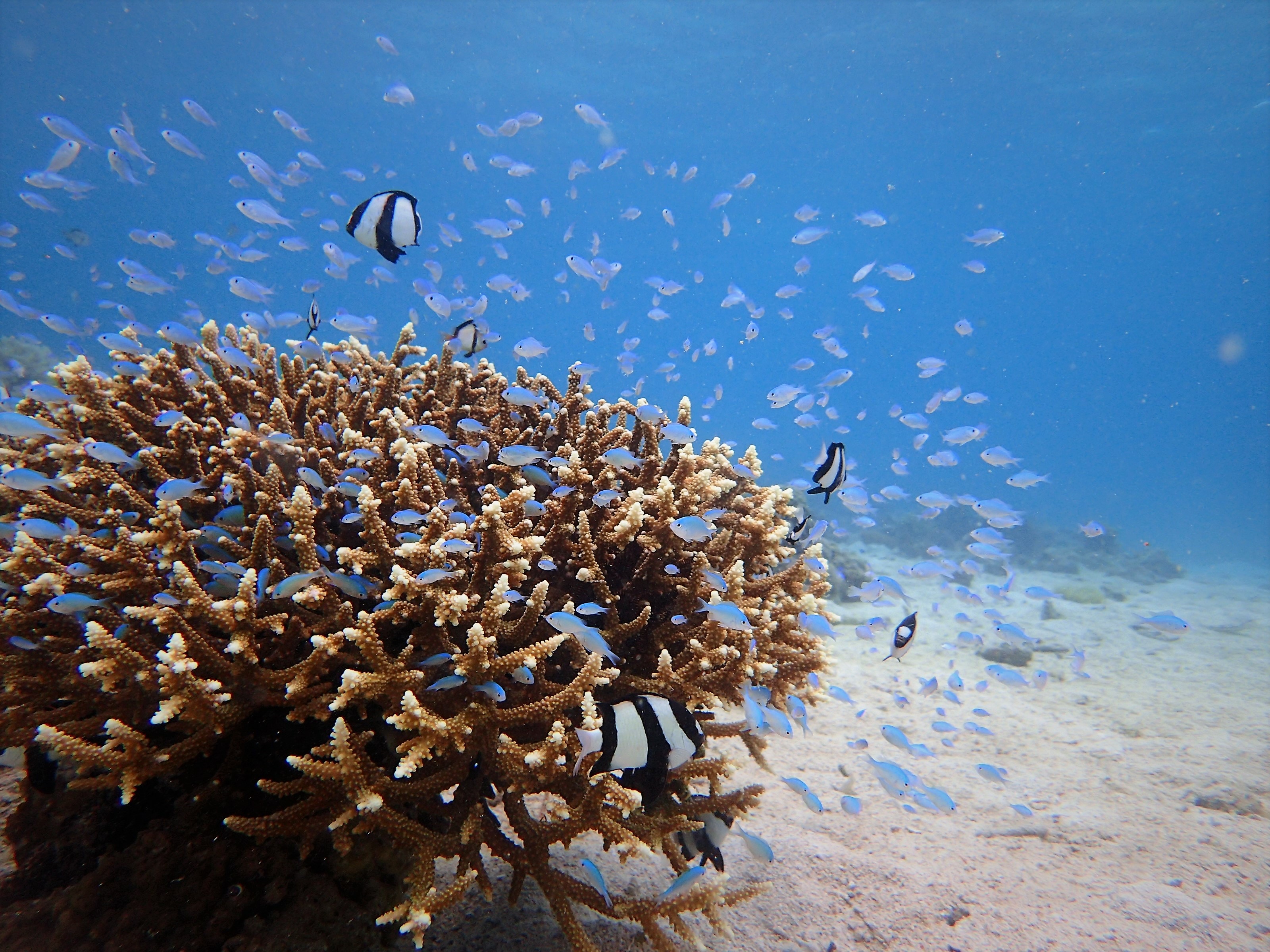
It would be easy to despair about the state of the oceans. We choose a different path: clear-eyed about the challenges, but motivated by cases like Moorea's 85% coral recovery after 2010 or California lobster populations doubling inside MPAs. We've watched these ecosystems rebuild.
Sound like your kind of lab?
We are always looking for people who share these values and want to contribute to ocean recovery.