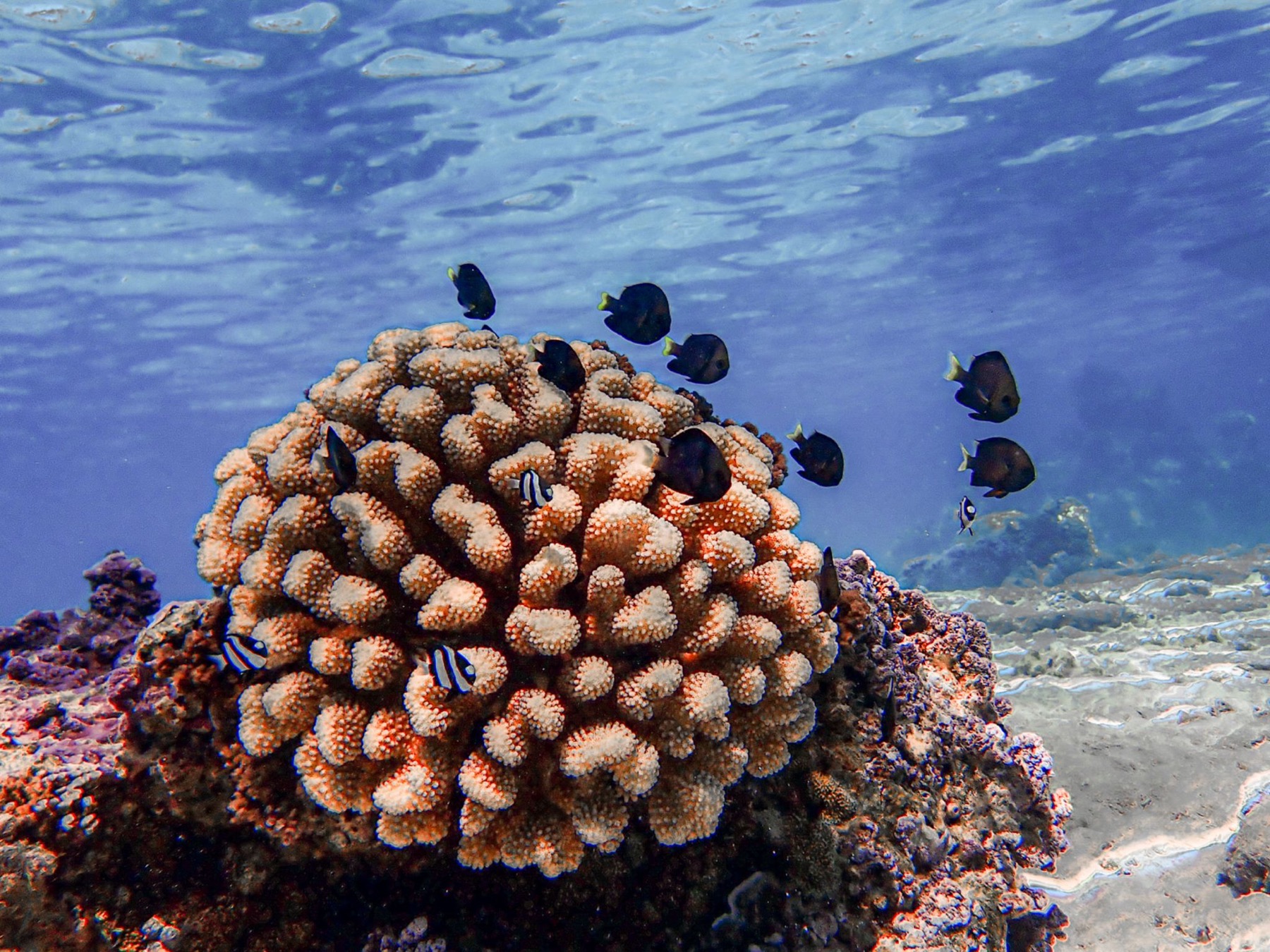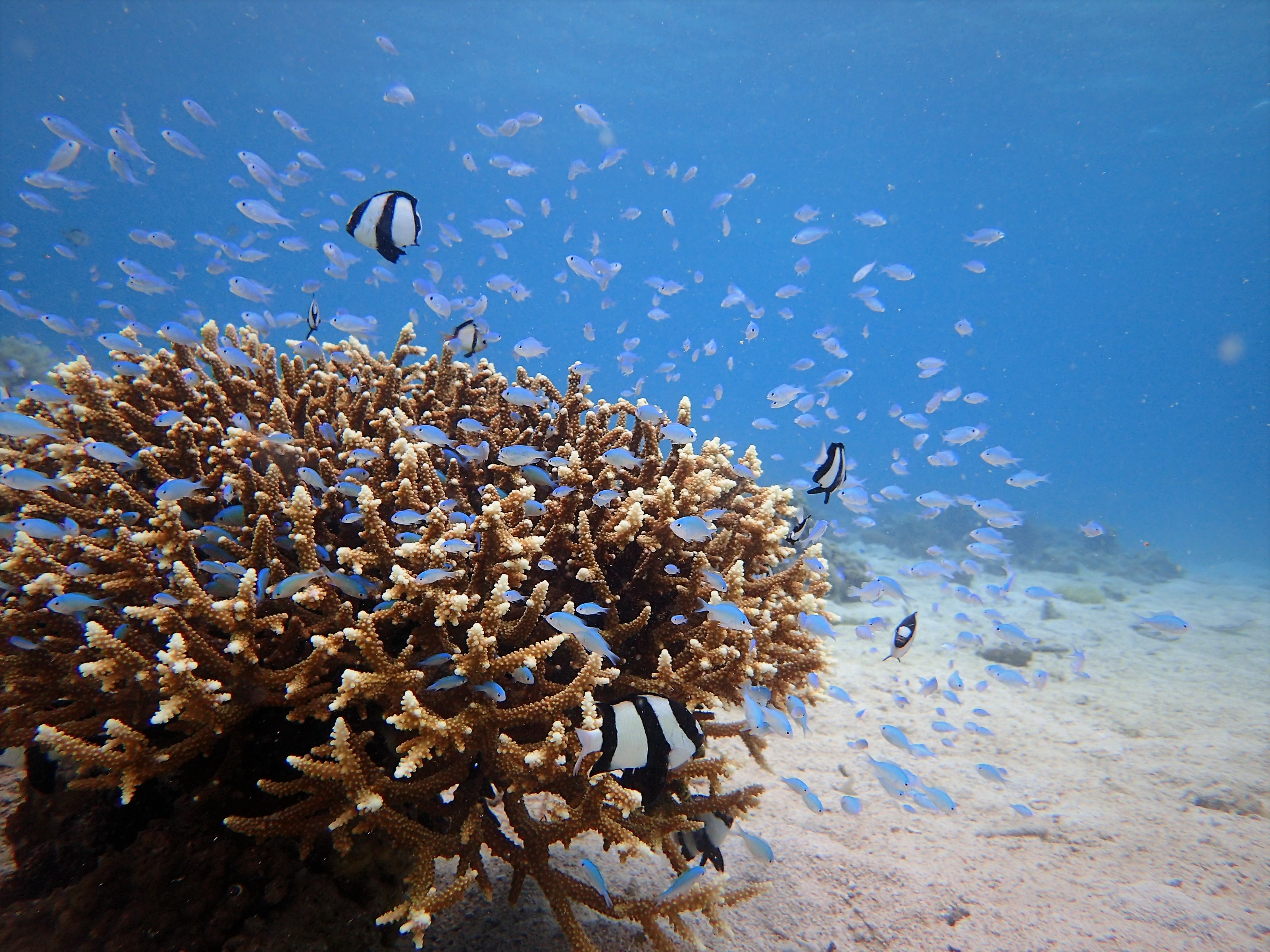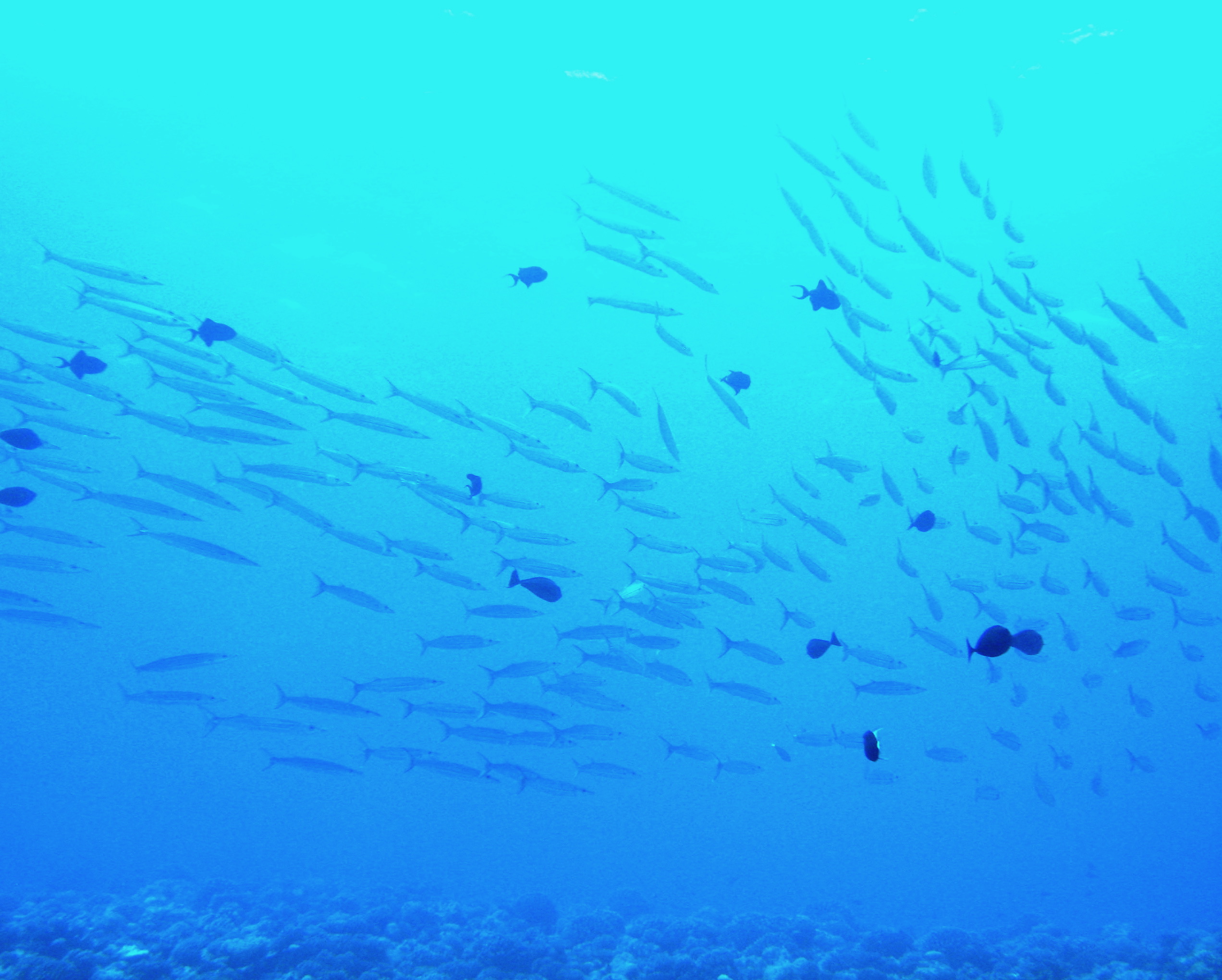
We addressed a question marine biologists often face: when they need to collect small fish living in coral colonies using clove oil. The active ingredient, eugenol, anesthetizes the fish, which float out of the coral branches and can be safely collected. But Sarah Boyer, Jeremy White, Adrian Stier, and Craig Osenberg wondered: what happens to the coral?
The concern is legitimate. Corals are already stressed by warming oceans, acidification, and pollution. Adding another stressor from research activities could potentially harm the very systems scientists are trying to study and protect. We designed experiments to test whether typical field concentrations of clove oil cause lasting damage to coral colonies.
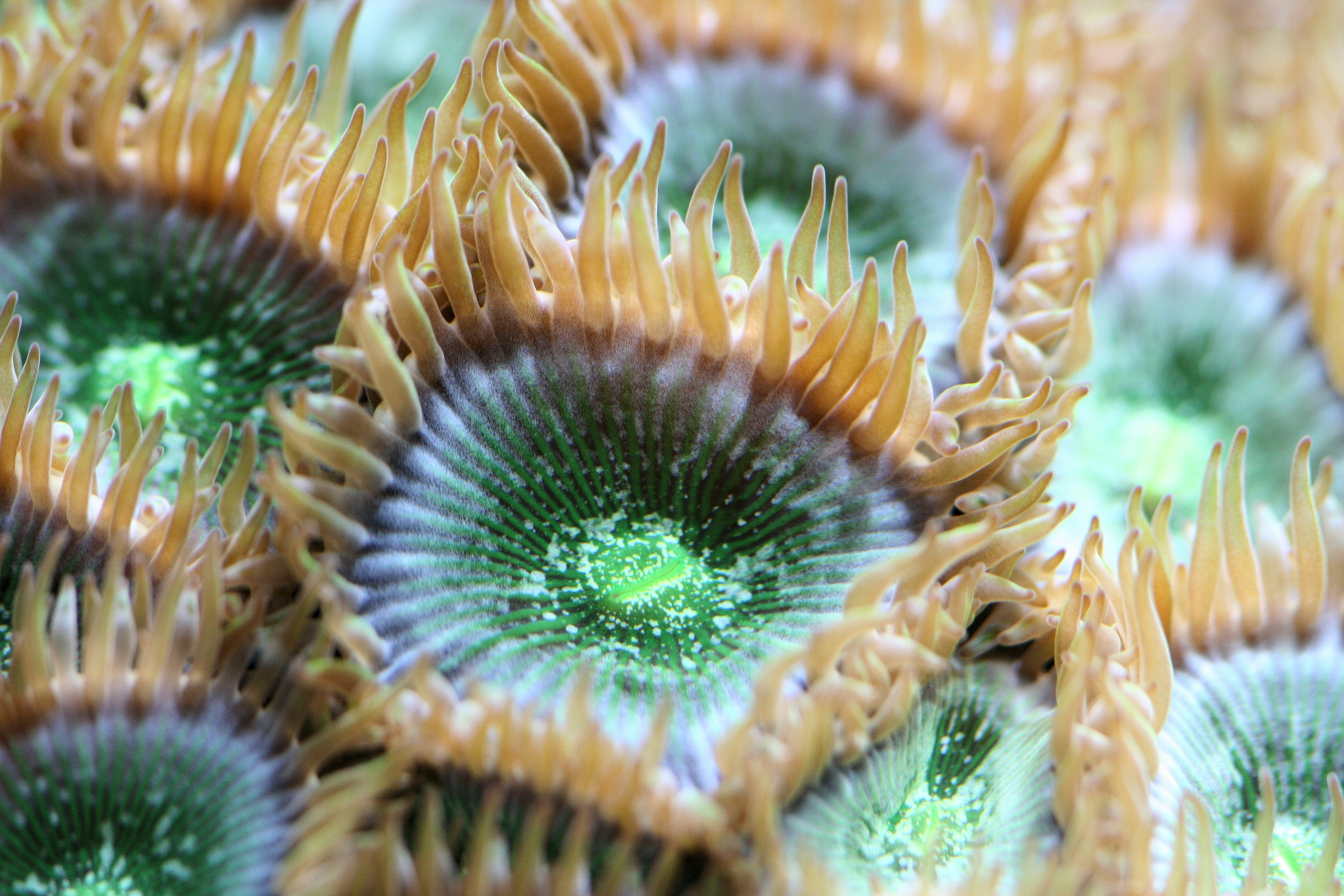
In both laboratory tanks and field experiments in Moorea, French Polynesia, they exposed Pocillopora corals to clove oil at various concentrations. The corals responded immediately, retracting their polyps and producing excess mucus, clear signs of stress. At higher concentrations, these responses were more severe. But within hours, the corals had recovered, extending their polyps and resuming normal behavior.
"The critical question was whether these acute stress responses translated into long-term harm."
The critical question was whether these acute stress responses translated into long-term harm. We monitored coral growth and survival over weeks and found no significant effects from the clove oil exposures. Corals that had been stressed showed the same growth rates and survival as unexposed controls.
These findings provide reassurance for the coral reef research community. Fish-coral interactions are a hot topic in reef ecology, and collecting resident fish without harming their coral hosts is essential for many studies. Our research suggests that clove oil, used responsibly at typical field concentrations, does not appear to cause lasting damage.
We note some caveats. Our study focused on short-term exposures and healthy corals. Corals already stressed by other factors might respond differently. And while survival and growth were unaffected, more subtle effects on coral physiology could exist. Still, for researchers weighing whether to use clove oil in their fieldwork, Our study provides valuable evidence that the practice is unlikely to compromise coral health.
Citation
Boyer, S.E.; White, J.S.; Stier, A.C.; Osenberg, C.W. (2009). Effects of the fish anesthetic, clove oil (eugenol), on coral health and growth. Journal of Experimental Marine Biology and Ecology.
Cite this article
Boyer et al. (2009). Common Fish Anesthetic Doesn't Harm Coral Hosts, Study Finds. Ocean Recoveries Lab. https://doi.org/10.1016/j.jembe.2008.10.020