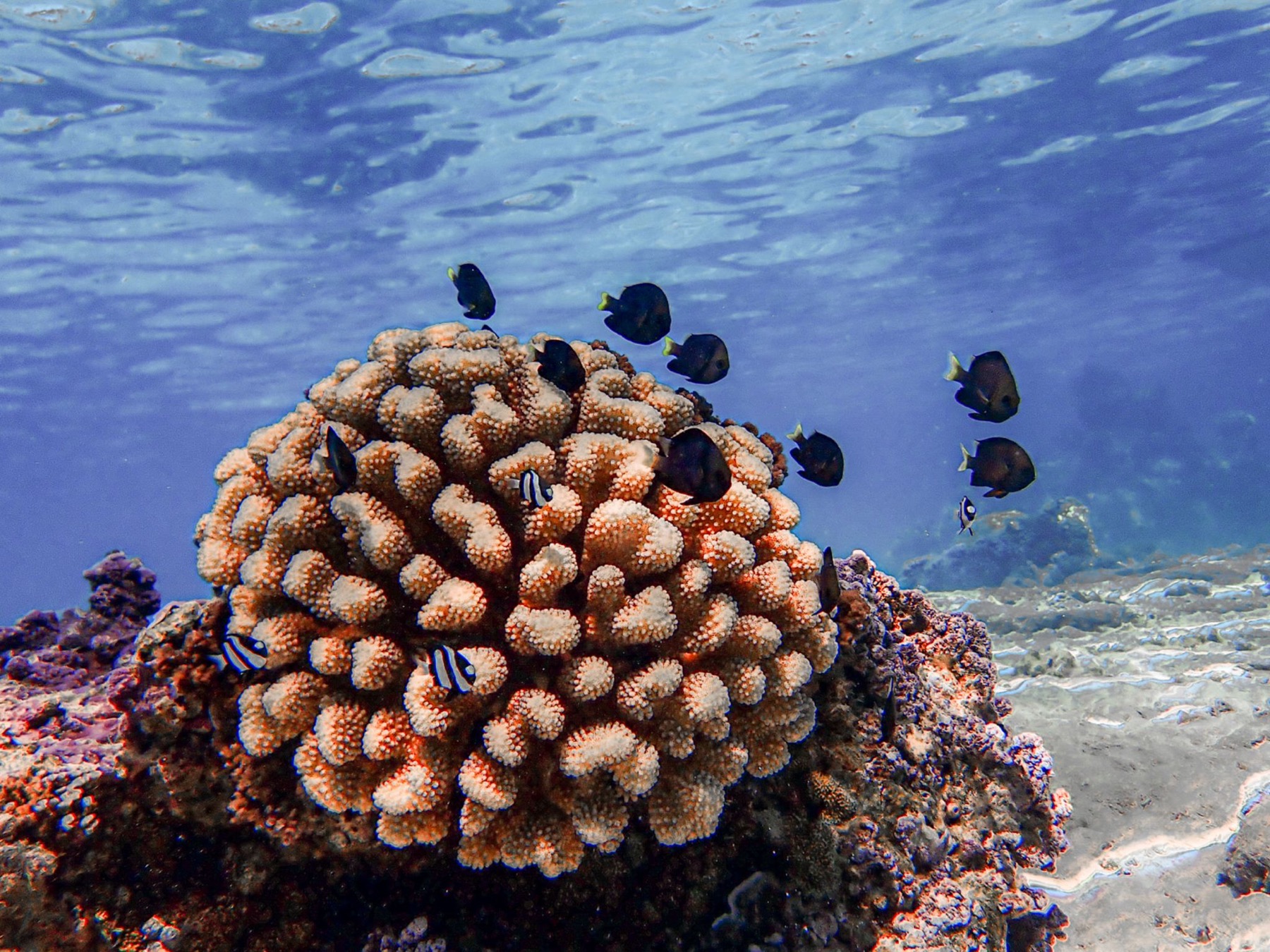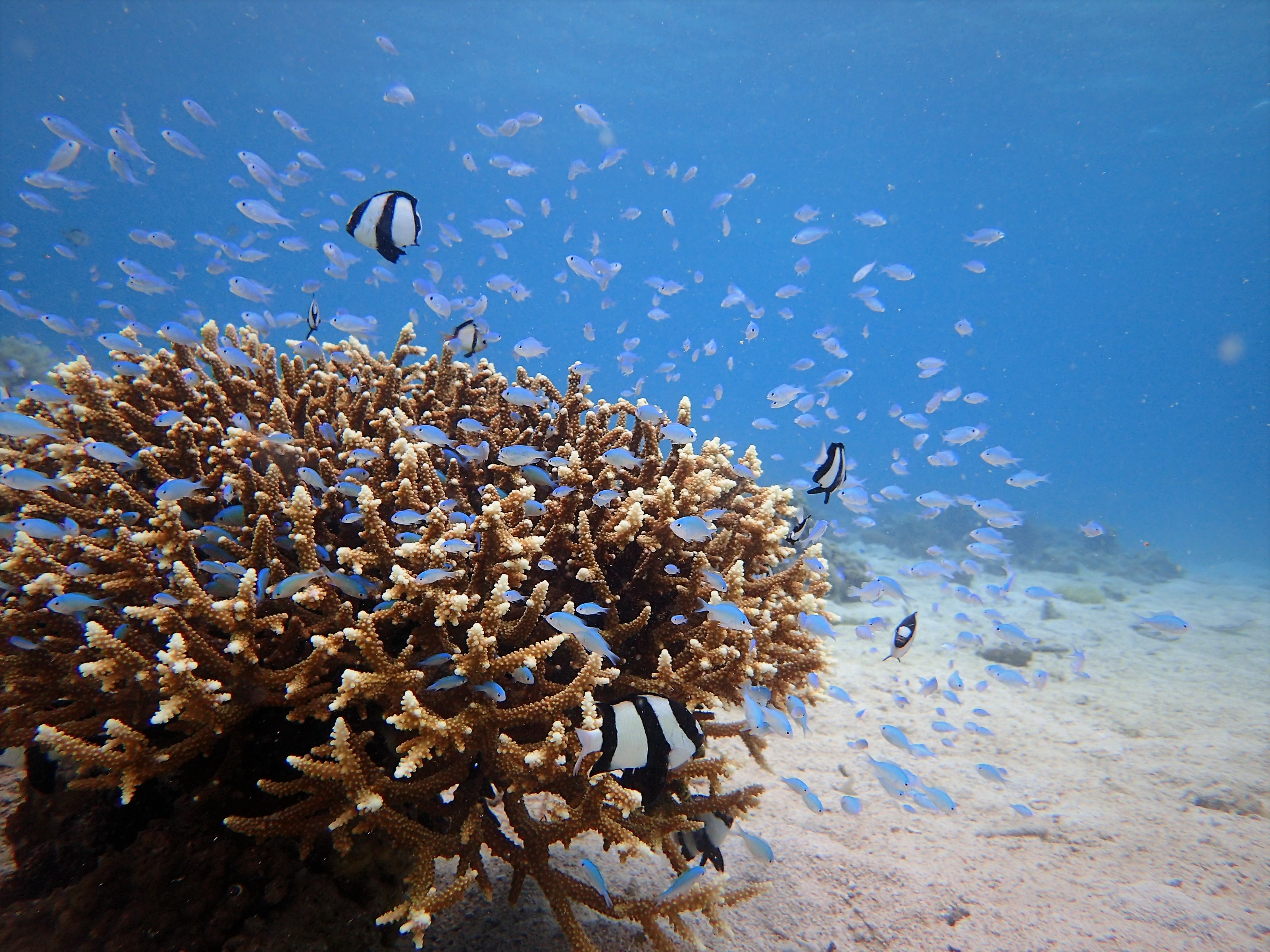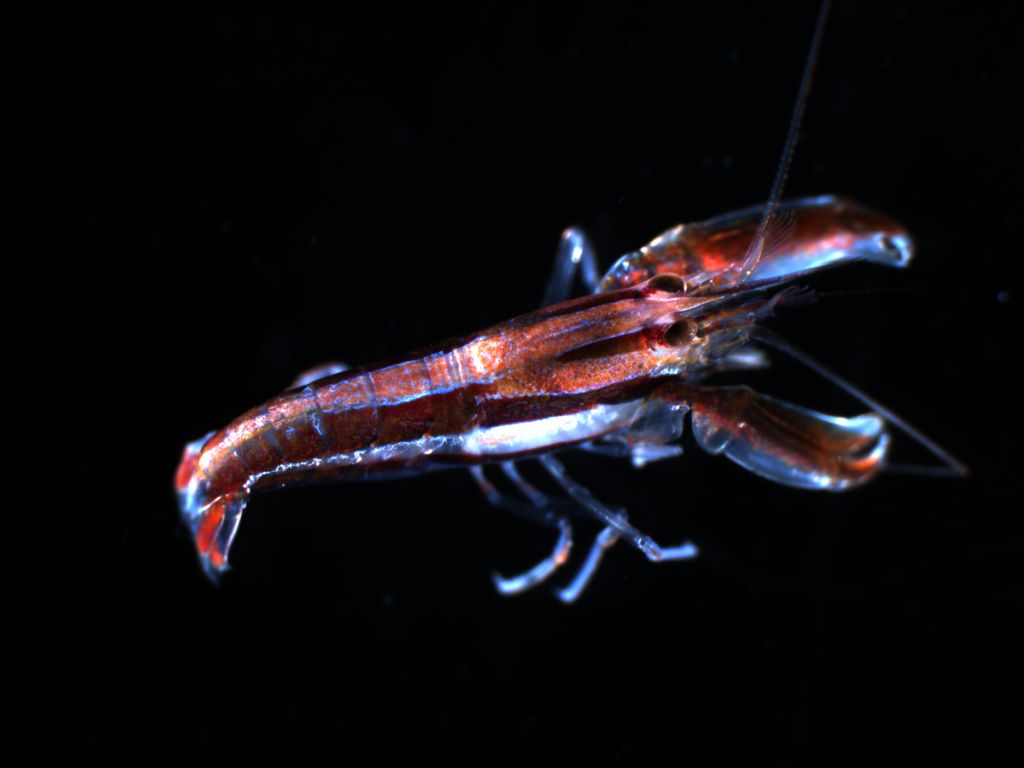
Scientists discovered that two species of small crustaceans living on coral reefs work together in a synergistic partnership to defend their coral homes from predatory sea stars, with their combined efforts being more effective than the sum of their individual defensive abilities. Researchers conducted controlled experiments in French Polynesia, manipulating the presence of two crustacean species (Trapezia crabs and Alpheus shrimp) on coral colonies and exposing them to predatory sea stars to measure defensive effectiveness. The presence of mutualists reduced predation frequency by 15% and coral tissue consumption by 45%. When both crustacean species were present together, they reduced coral tissue loss by 73%. This 73% reduction was significantly greater than the 38% reduction expected if the two species worked independently. The synergistic defense represents an emergent 'multiple defender effect' analogous to multiple predator effects in ecology. The research shows that coral reef conservation may depend on protecting entire communities of mutualist species, not just individual partnerships, as the synergistic effects of multiple defenders could be important for coral survival in increasingly threatened reef ecosystems.
Citation
McKeon, C. Seabird; Stier, Adrian C.; McIlroy, Shelby E.; Bolker, Benjamin M. (2012). Multiple defender effects: synergistic coral defense by mutualist crustaceans. Oecologia.
Cite this article
McKeon et al. (2012). Coral Crabs and Shrimp Combine Defenses Against Starfish. Ocean Recoveries Lab. https://doi.org/10.1007/s00442-012-2275-2