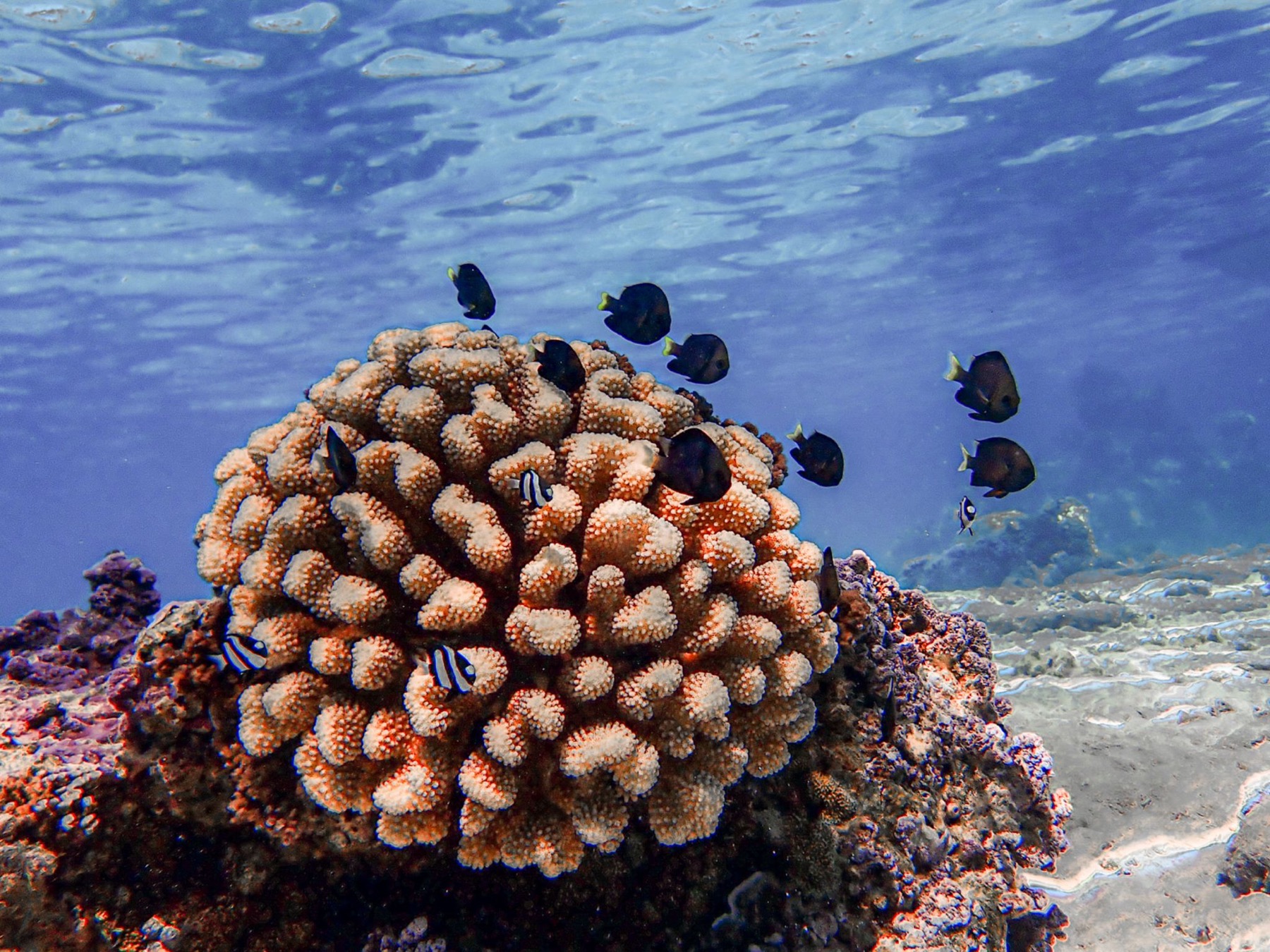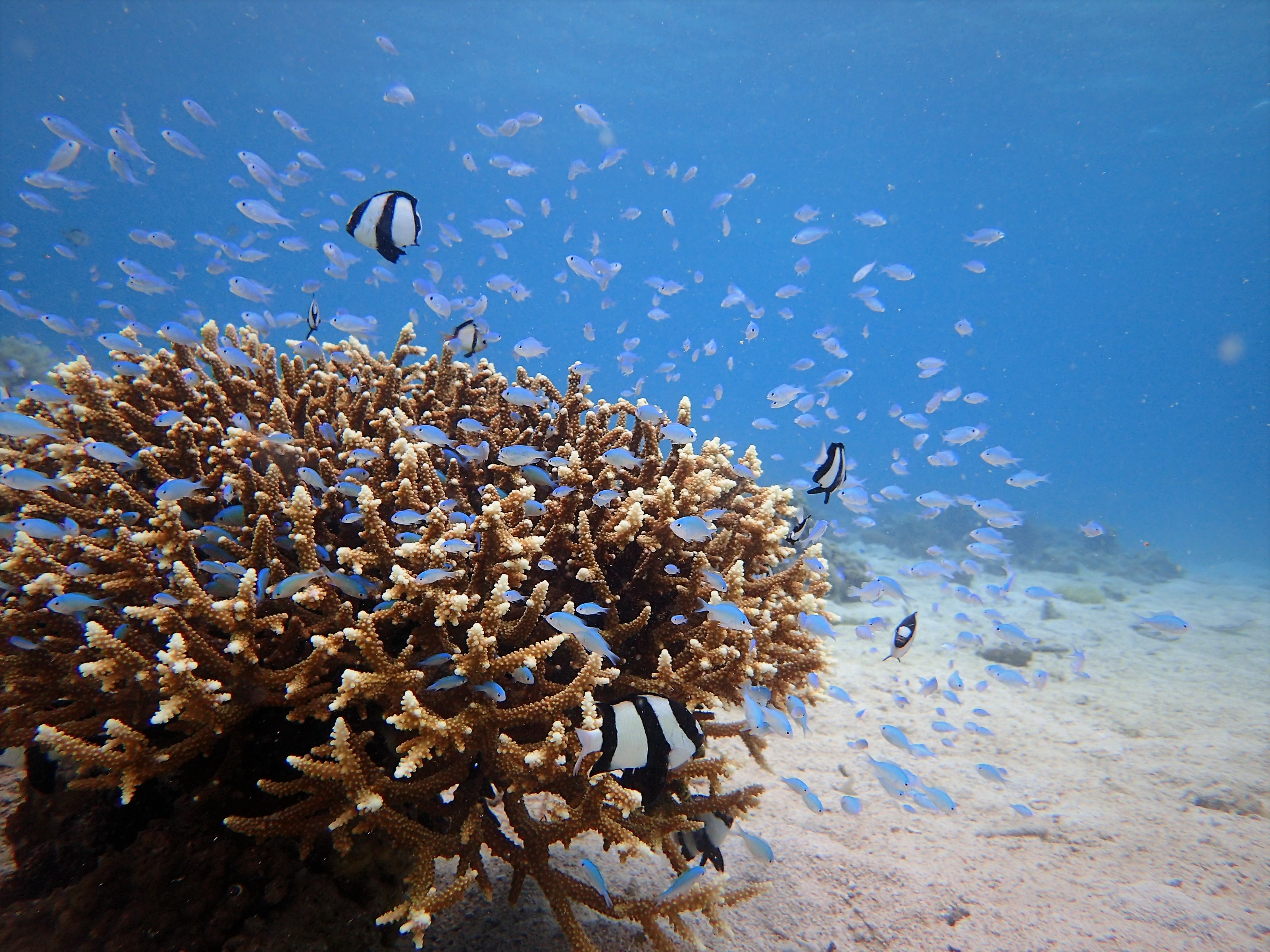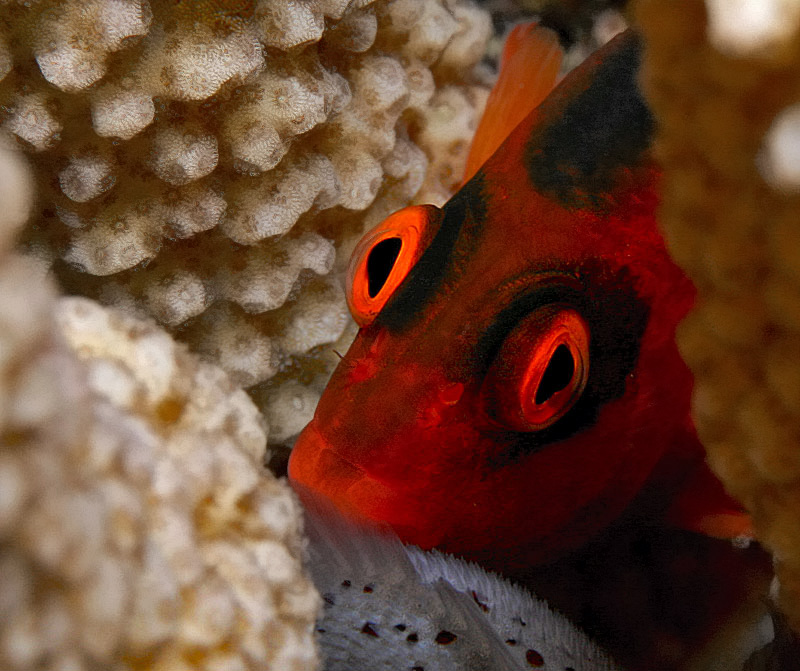
this study shows how predatory fish affect the tiny, less visible creatures living inside coral colonies. The study found that predators substantially reduce the abundance and diversity of beneficial animals that help corals survive. We surveyed 93 coral colonies to map natural predator distributions, then conducted a controlled experiment with 60 Pocillopora eydouxi coral colonies. We removed all small animals using a low concentration of anesthetic (0.02% clove oil) to minimize coral stress, transplanted them to a sandy lagoon floor, and added different combinations of two predator species, flame hawkfish and coral crouchers, to test their effects. Our results were stark. The study found that predators reduced the total abundance of fish and crustacean prey by 34% and cut species richness by 20%. Rarefaction analysis showed that observed reductions in species richness were primarily driven by changes in abundance, predators weren't just removing certain species, they were suppressing the entire community. Each predator species affected community composition differently, creating unique patterns of winners and losers among the prey. Most concerning was how substantially predators affected the mutualist species, the beneficial crabs, shrimp, and small fish that help corals survive. We know that certain Trapezia crabs and Alpheus shrimp defend corals against crown-of-thorns seastars, clear away sediment, and remove harmful mucus-producing snails. Damselfish provide oxygen and nutrients. This matters because coral performance depends heavily on both the density and diversity of these mutualist communities. Our findings suggest that the density and identity of predators present within corals may substantially alter coral performance in the face of increased frequency and intensity of natural and anthropogenic stressors.
Citation
Stier, A. C.; Leray, M. (2014). Predators alter community organization of coral reef cryptofauna and reduce abundance of coral mutualists. Coral Reefs.
"The study found that predators substantially reduce the abundance and diversity of beneficial animals that help corals survive."
Cite this article
Stier et al. (2014). Coral-Dwelling Predators Can Influence Reef Responses to Climate Change. Ocean Recoveries Lab. https://doi.org/10.1007/s00338-013-1077-2