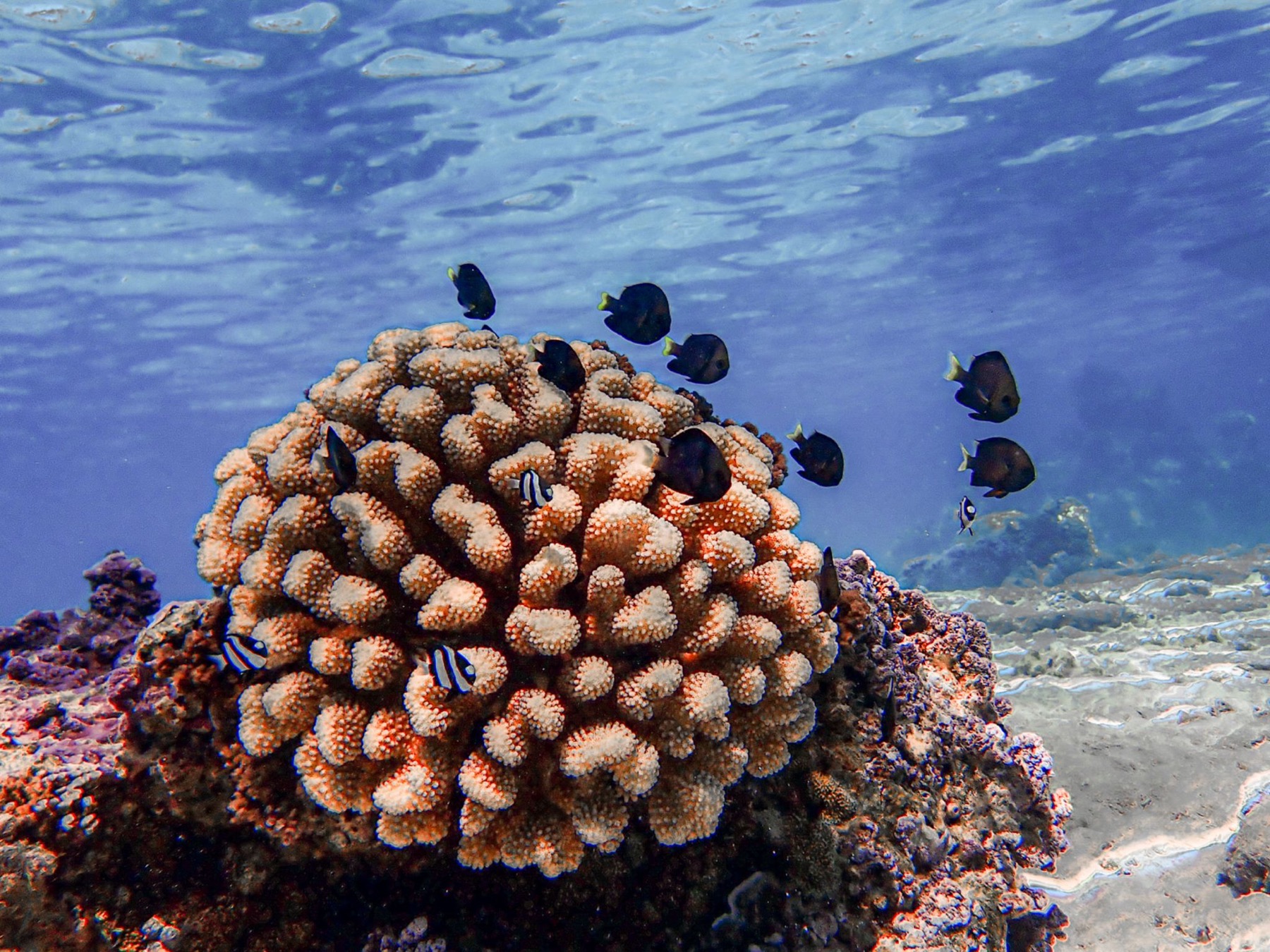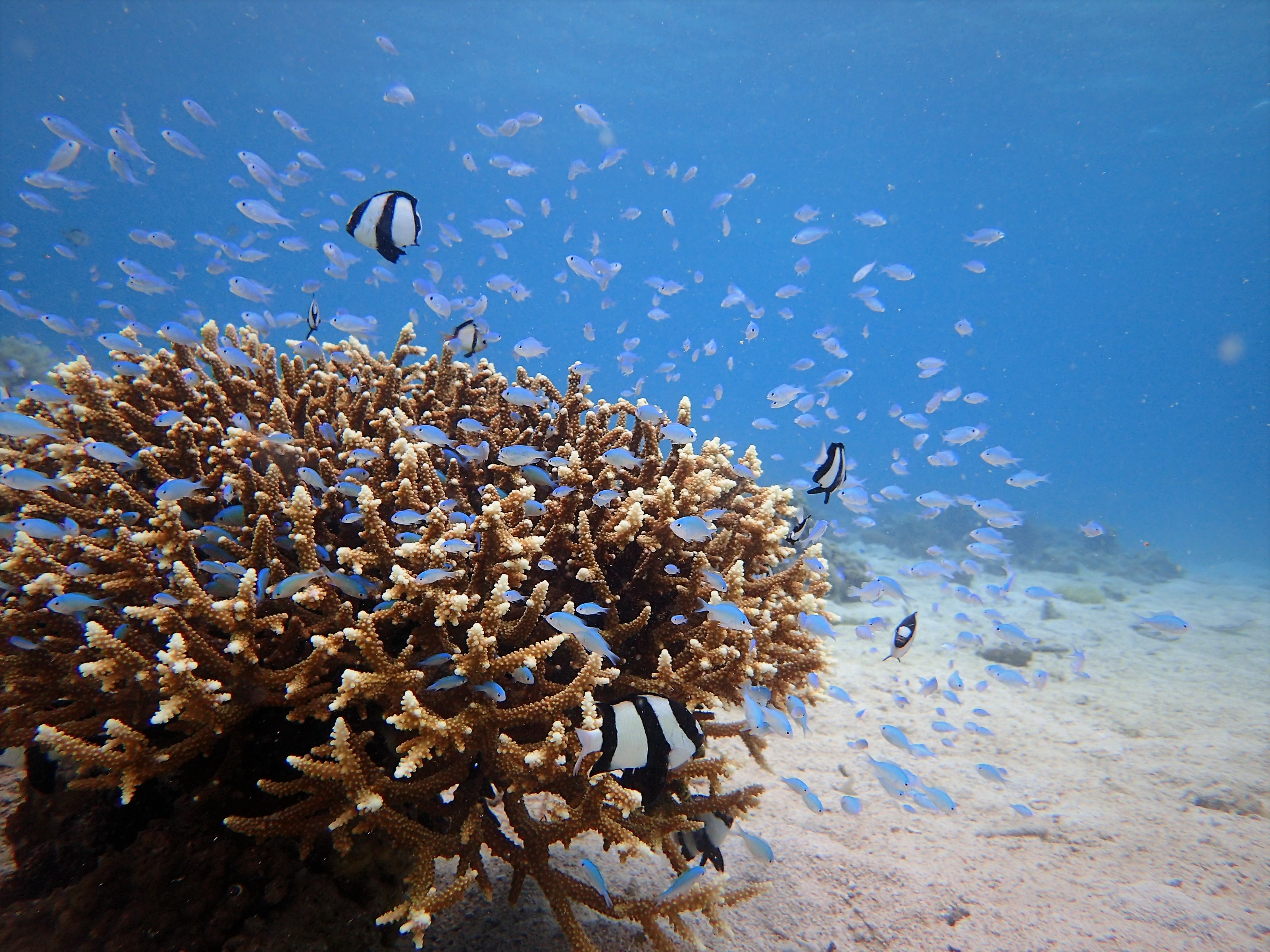
This study asks how mutualisms, cooperative relationships between species, operate within broader ecological communities, using African acacia trees and their ant partners as a primary example to show why understanding the full community context is essential for explaining these interactions. The researchers conducted a conceptual analysis using case studies, particularly focusing on long-term studies of acacia-ant mutualisms in East Africa and coral-algal symbioses, to demonstrate how community context changes our understanding of species interactions. Crematogaster nigriceps ants appear parasitic on acacia trees. They sterilize the plants and reduce growth rates, but can provide mutualistic benefits by protecting young trees from potentially lethal elephant damage. The costs and benefits of mutualistic relationships must be calculated over entire lifetimes (up to 150 years for acacias) rather than short-term interactions. Most mutualisms involve multiple species rather than simple pairs, with coral-algal symbioses containing nine distinct evolutionary lineages of algae. Community dynamics determine which mutualistic partners dominate at different life stages, with competitive hierarchies among ant species changing as trees mature. The research fundamentally changes how we understand species cooperation in nature, showing that relationships that appear harmful in the short term may be beneficial over ecological timescales. That matters for predicting how ecosystems will respond to environmental changes and for designing effective conservation strategies.
Citation
Palmer, Todd M.; Pringle, Elizabeth G.; Stier, Adrian; Holt, Robert D. (2015). Mutualism in a community context. **.
Cite this article
Palmer et al. (2015). Exploitative Interactions Can Still Increase Mutualism Stability. Ocean Recoveries Lab. https://doi.org/10.1093/acprof:oso/9780199675654.003.0009