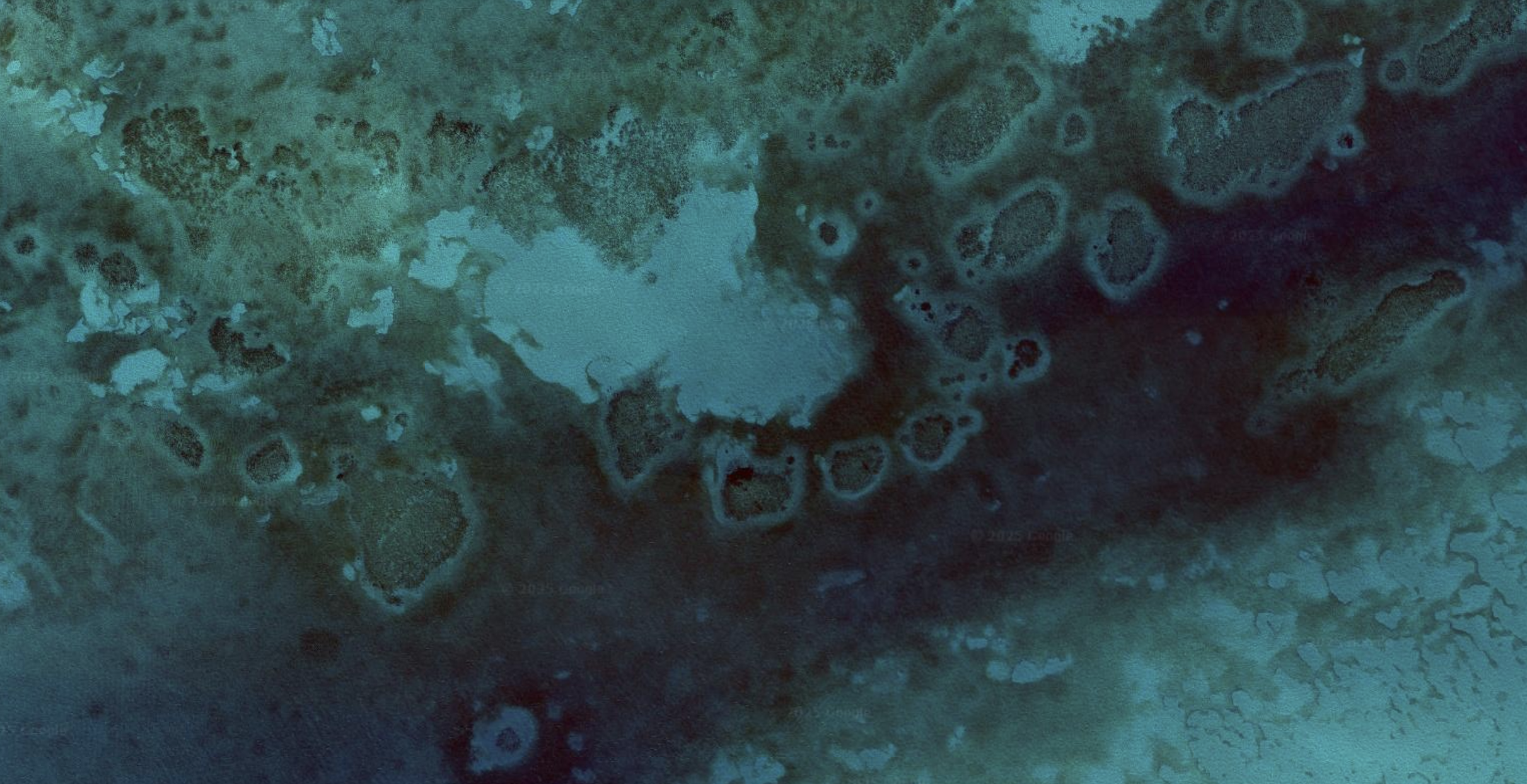
We examined satellite images of tropical coastlines and noticed something curious: rings of bare sand surrounding isolated coral heads. These grazing halos, sometimes stretching tens of meters from reef edges, have puzzled scientists for years. Now research led by Bryan DiFiore, working with Simon Queenborough, Elizabeth Madin, Valerie Paul, Mary Beth Decker, and Adrian Stier, reveals the ecological drama creating these patterns.
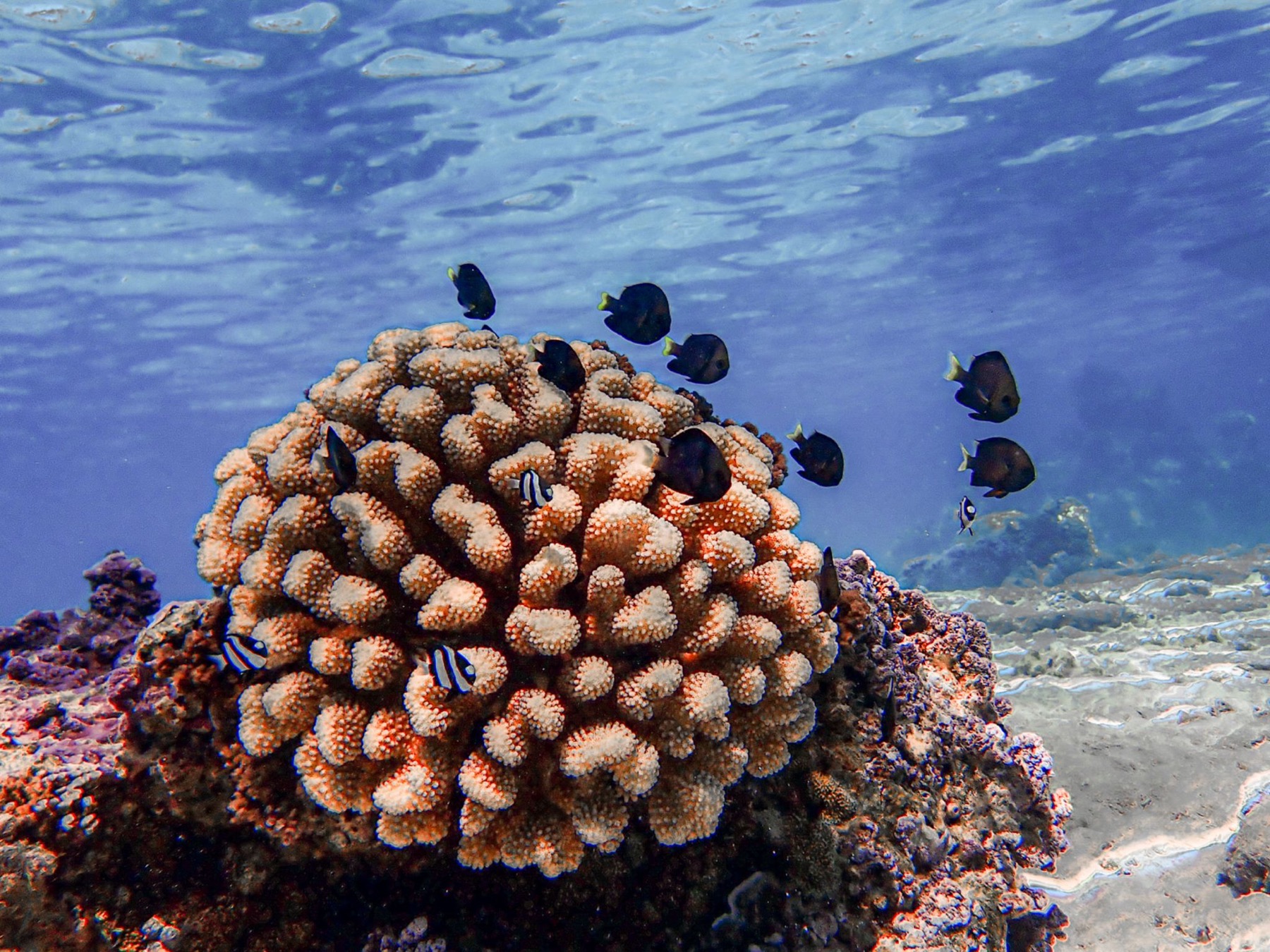
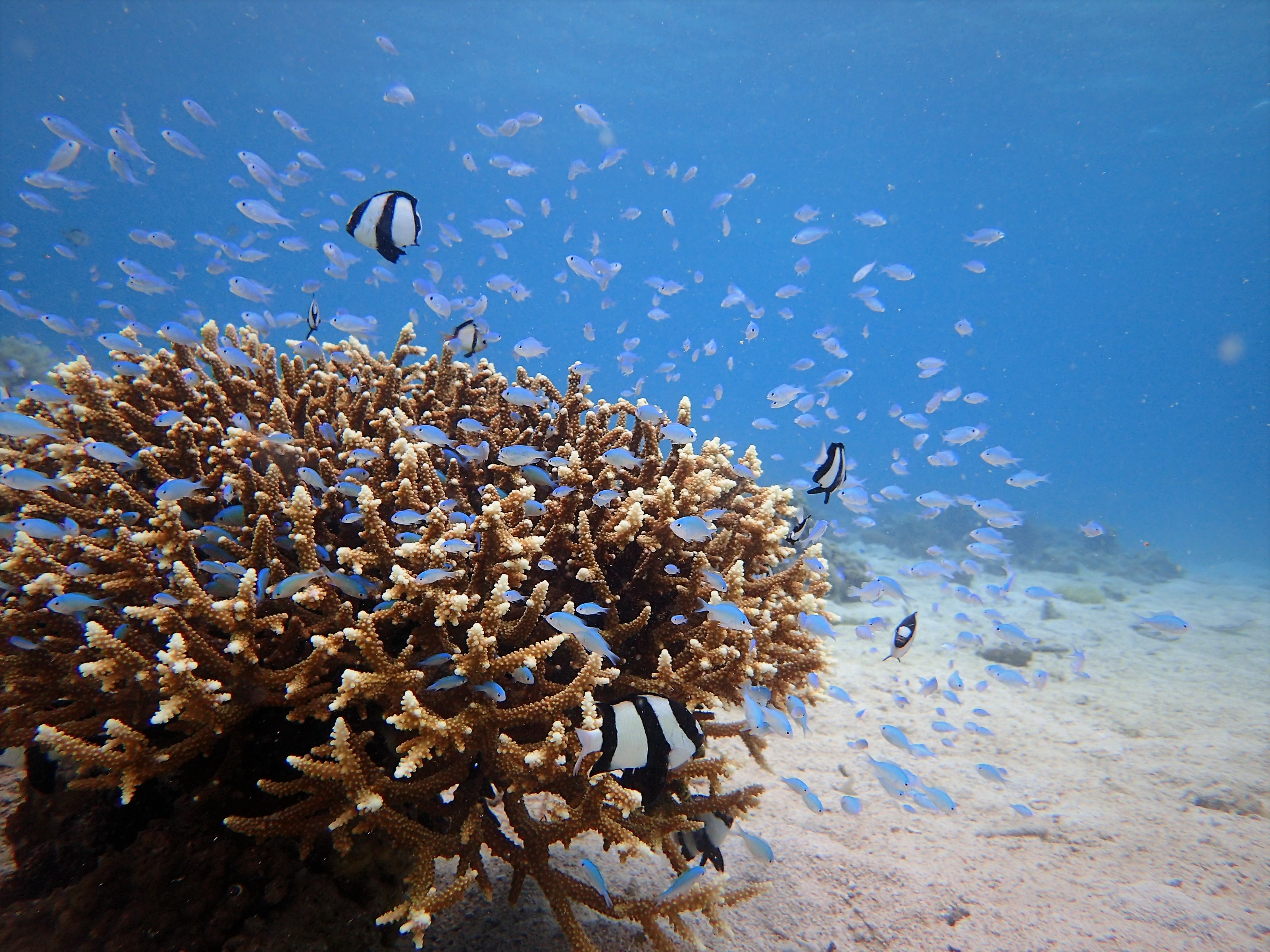
The halos form through a simple but elegant mechanism: herbivorous fish living on coral reefs need to eat seagrass and algae growing on the surrounding seafloor, but they also need to avoid becoming meals themselves. This creates a landscape of fear. Fish venture out to graze but stay close enough to dart back to shelter when predators appear.
We combined satellite imagery with underwater surveys to understand what factors determine halo size. They found that predation risk, herbivore density, and reef patch size all influence how far fish will venture from safety. Counterintuitively, halos were often larger around reefs with more predators. We suggest this occurs because in predator-rich areas, herbivores must graze more intensively in the safe zone close to the reef, completely clearing vegetation there.
These findings transform grazing halos from curiosities into potential monitoring tools. Because the halos are visible from satellites, they could allow scientists to assess reef ecosystem health across enormous areas. A reef with a healthy halo likely has functioning predator-prey dynamics and active herbivore populations. Changes in halo patterns over time might signal shifts in ecosystem function.
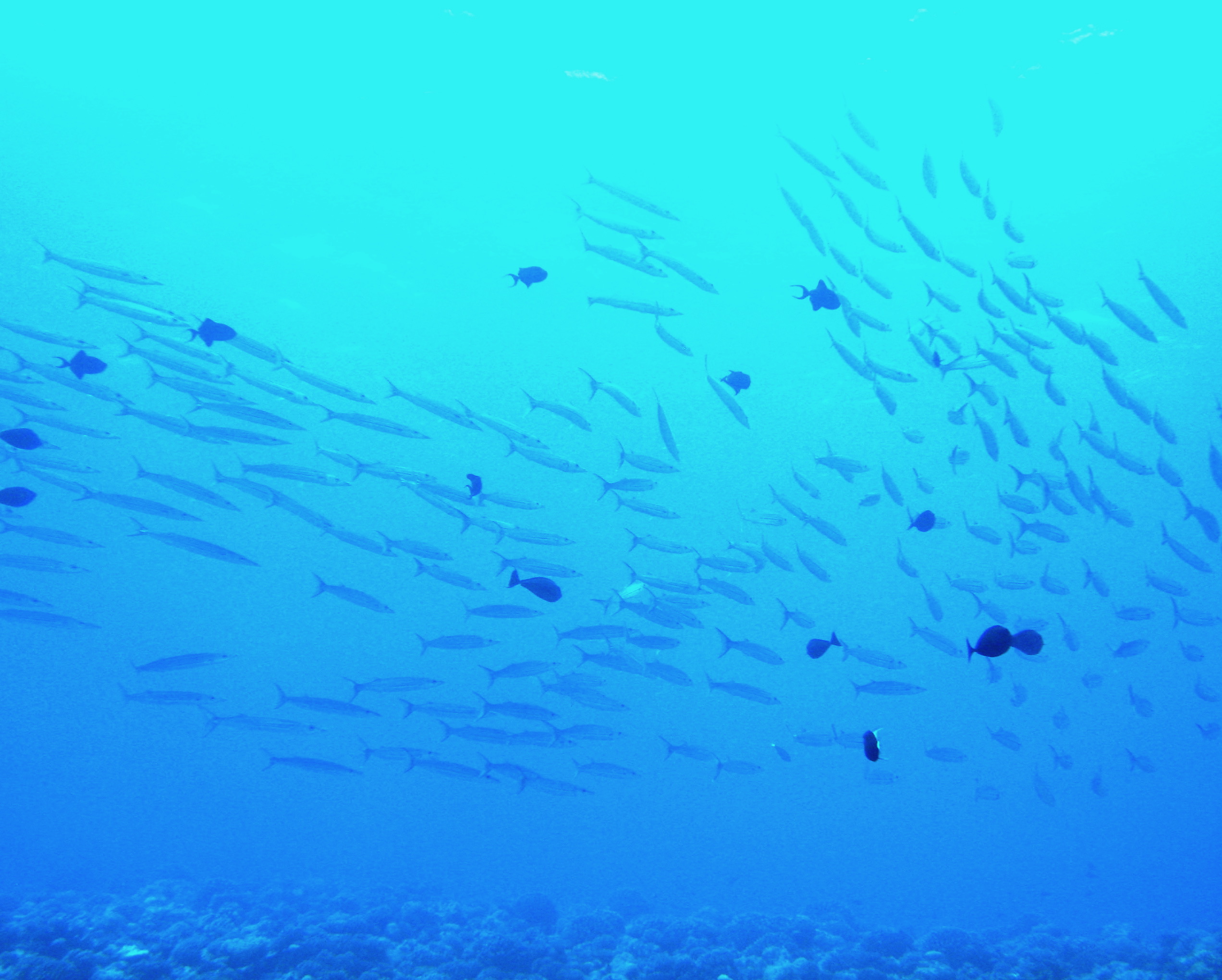
The study also demonstrates how fear itself shapes ecosystems. Predators don't just kill prey directly; they create landscapes of risk that alter where and how prey species feed. These non-consumptive effects of predators can be as ecologically important as actual predation, sculpting patterns visible from space.
Citation
DiFiore, Bp; Queenborough, Sa; Madin, Emp; Paul, Vj; Decker, Mb; Stier, Ac (2019). Grazing halos on coral reefs: predation risk, herbivore density, and habitat size influence grazing patterns that are visible from space. Marine Ecology Progress Series.
Cite this article
DiFiore et al. (2019). Grazing Halos Visible From Space Reveal Hidden Drama of Reef Fish Survival. Ocean Recoveries Lab. https://doi.org/10.3354/meps13074