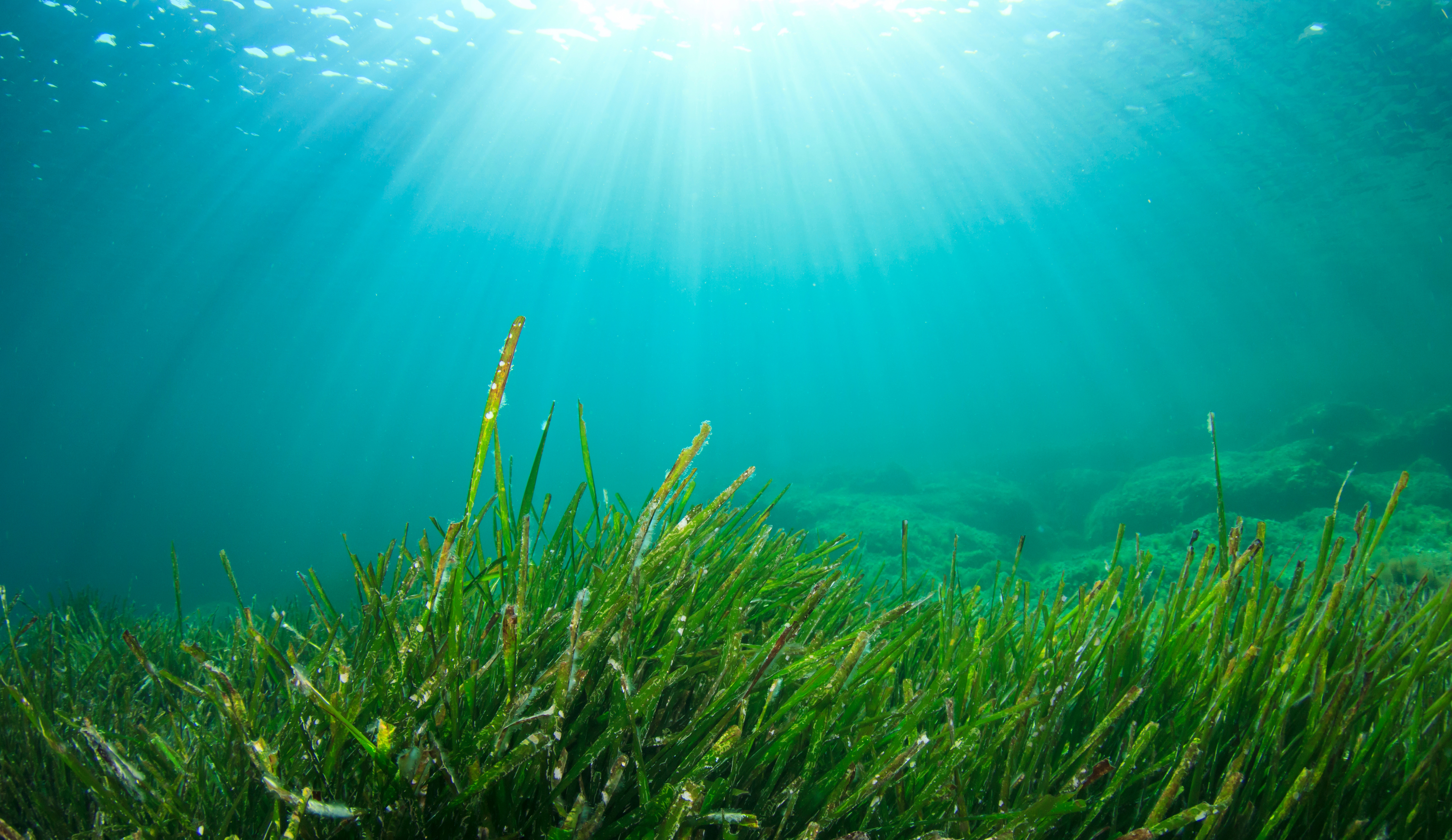
We examined how dispersal, the movement of organisms between habitat patches, profoundly influences biodiversity patterns. But research by Adrian Stier, Shannon Lee, and Mary O'Connor shows that when dispersal happens may be just as important as how much dispersal occurs. We created experimental seagrass metacommunities, networks of connected habitat patches, and manipulated both the rate and temporal pattern of dispersal between patches. Some treatments received constant low-level dispersal, while others received equivalent total dispersal concentrated into pulses. This allowed them to separate the effects of dispersal amount from dispersal timing. The results challenged simple assumptions about how dispersal affects diversity. The relationship between dispersal and diversity wasn't fixed but depended critically on temporal variation. Constant dispersal and pulsed dispersal produced different diversity patterns even when the total amount of movement between patches was identical. These findings have consequences for marine conservation. As coastal habitats become increasingly fragmented by development, understanding what maintains diversity in disconnected patches becomes important. Conservation strategies often focus on maintaining or restoring connectivity between habitat patches, but this study suggests the pattern of that connectivity matters too. Consider two marine reserves connected by occasional larval dispersal. If larvae move between reserves in irregular pulses during spawning events, the diversity outcomes might differ substantially from a scenario where the same total number of larvae move in a steady trickle. Management strategies that account for this temporal dimension of connectivity could be more effective at maintaining biodiversity. The experimental approach using seagrass communities provided a tractable system for manipulating dispersal in ways that would be impossible in natural settings. While translating these results to larger scales requires caution, the fundamental insight that timing matters points to future work on understanding and managing marine metacommunities.
Citation
Stier, Ac; Lee, Sc; O'Connor, Mi (2019). Temporal variation in dispersal modifies dispersal-diversity relationships in an experimental seagrass metacommunity. Marine Ecology Progress Series.
"But research by Adrian Stier, Shannon Lee, and Mary O'Connor shows that when dispersal happens may be just as important as how much dispersal occurs."
Cite this article
Stier et al. (2019). Marine Dispersal Timing Matters Alongside Disperser Abundance. Ocean Recoveries Lab. https://doi.org/10.3354/meps12908