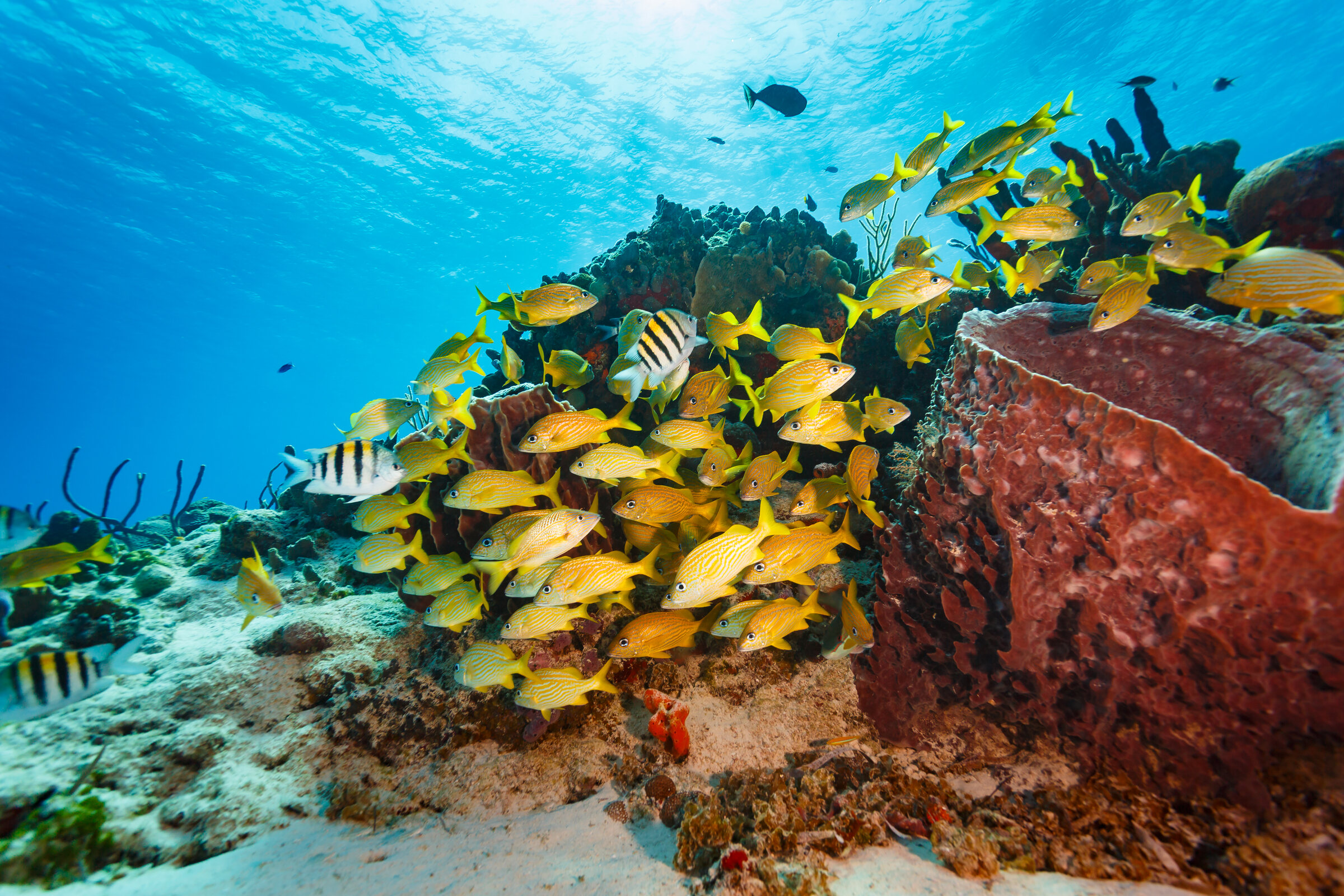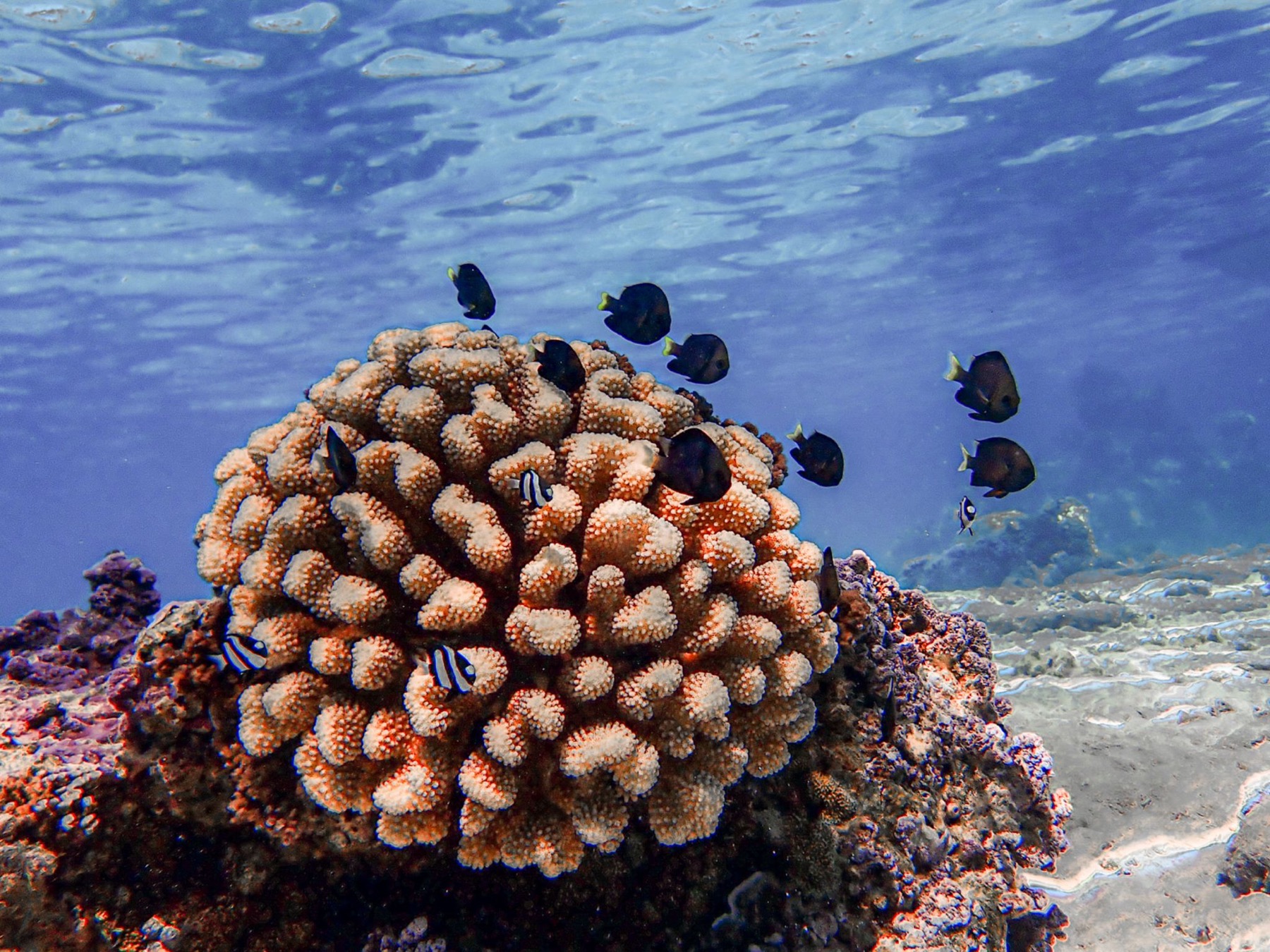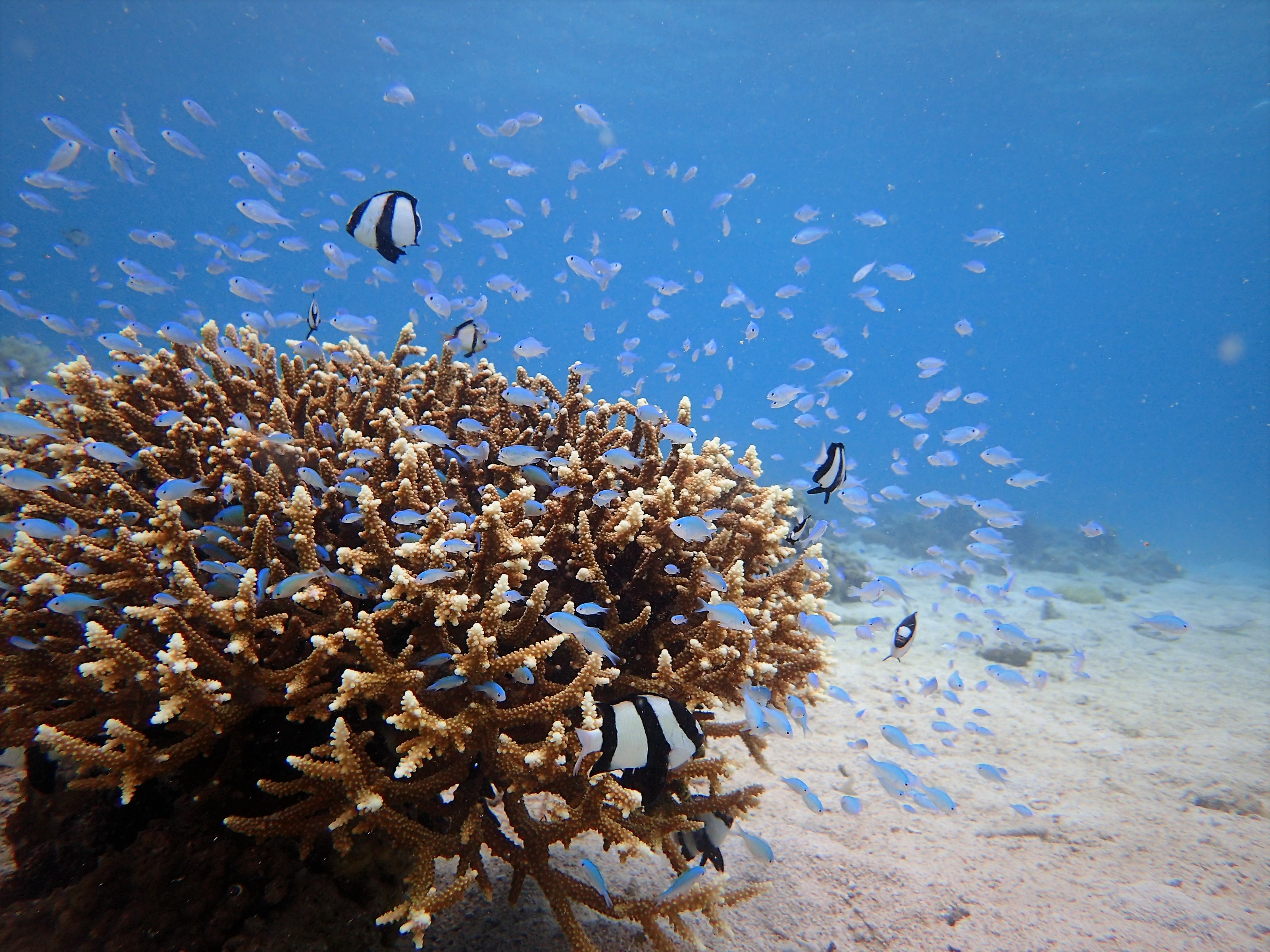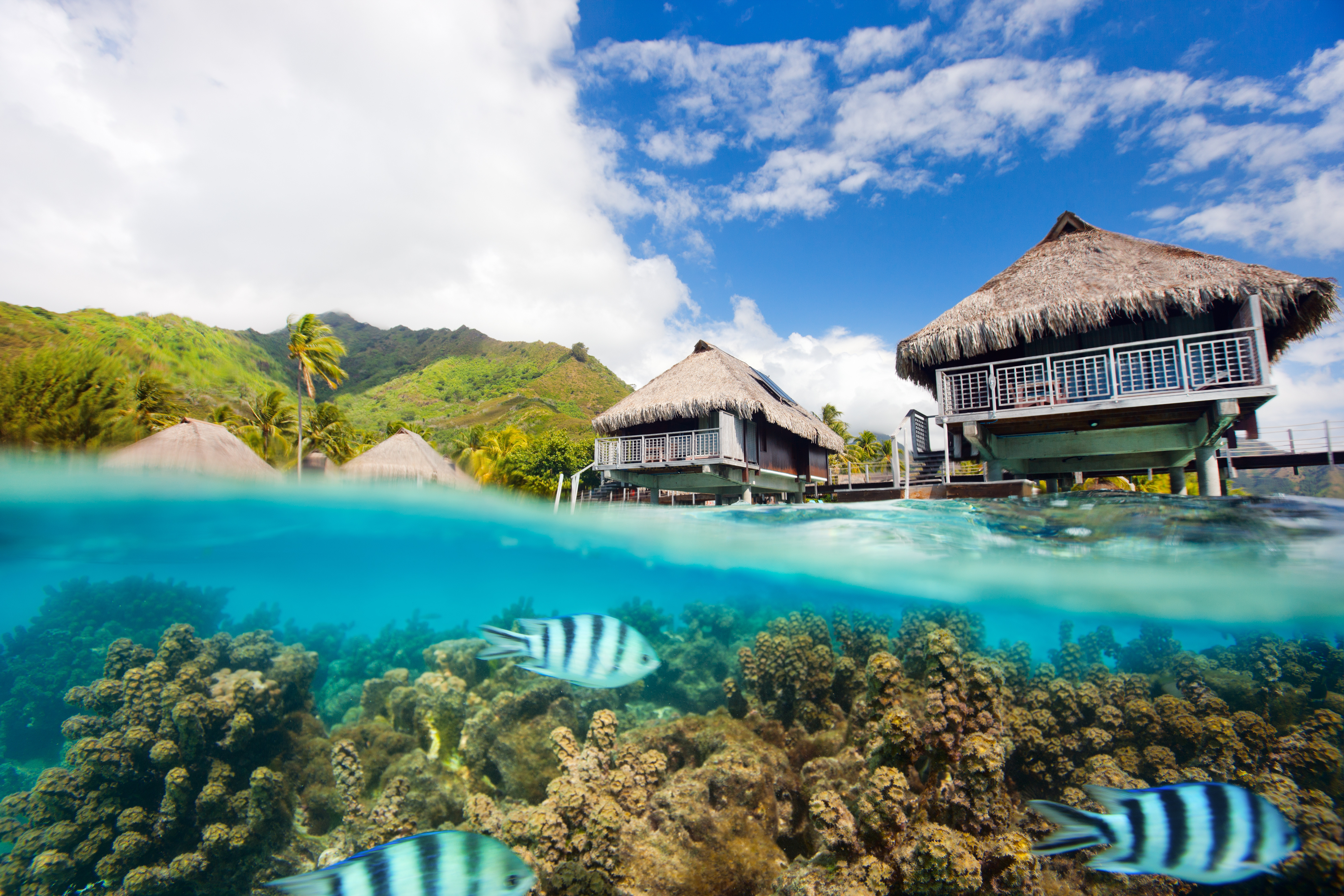
Scientists conducted a field experiment in French Polynesia to test how predatory fish and habitat characteristics independently affect coral reef fish communities, finding that predators and habitat size have separate effects on fish diversity and abundance. The researchers conducted field surveys and a factorial experiment on coral patch reefs in Moorea, French Polynesia, manipulating the presence of grouper predators and varying habitat patch sizes and fragmentation patterns to measure effects on fish communities. Groupers reduced prey fish abundance by 50% and overall diversity by 45%, with rare species hit harder than common ones. Predators and habitat characteristics had independent effects; they didn't interact with each other as theory predicted. Larger habitat patches contained more fish, but doubling patch size only increased abundance by 36%. Fragmented patches had 50% higher species richness compared to unfragmented patches of the same total area. The research shows that natural and human-caused changes to reef habitats affect fish communities through two independent pathways, predator abundance and habitat structure, suggesting that conservation strategies need to address both predation pressure and habitat fragmentation separately rather than assuming they interact.
Citation
Stier, Adrian C.; Hanson, Katharine M.; Holbrook, Sally J.; Schmitt, Russell J.; Brooks, Andrew J. (2014). Predation and landscape characteristics independently affect reef fish community organization. Ecology.
Cite this article
Stier et al. (2014). Predators and Habitat Shape Reef Fish Communities Independently. Ocean Recoveries Lab. https://doi.org/10.1890/12-1441.1