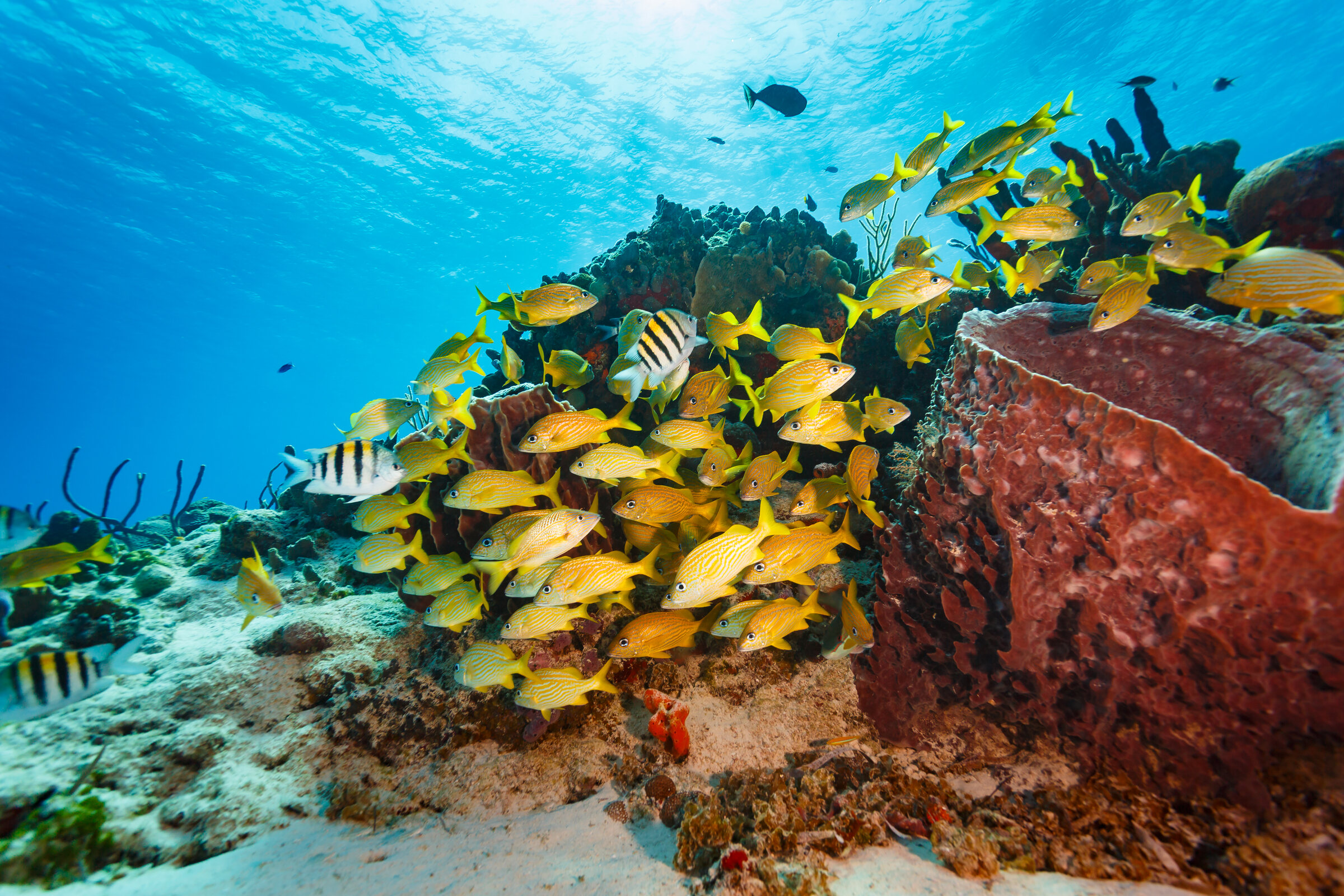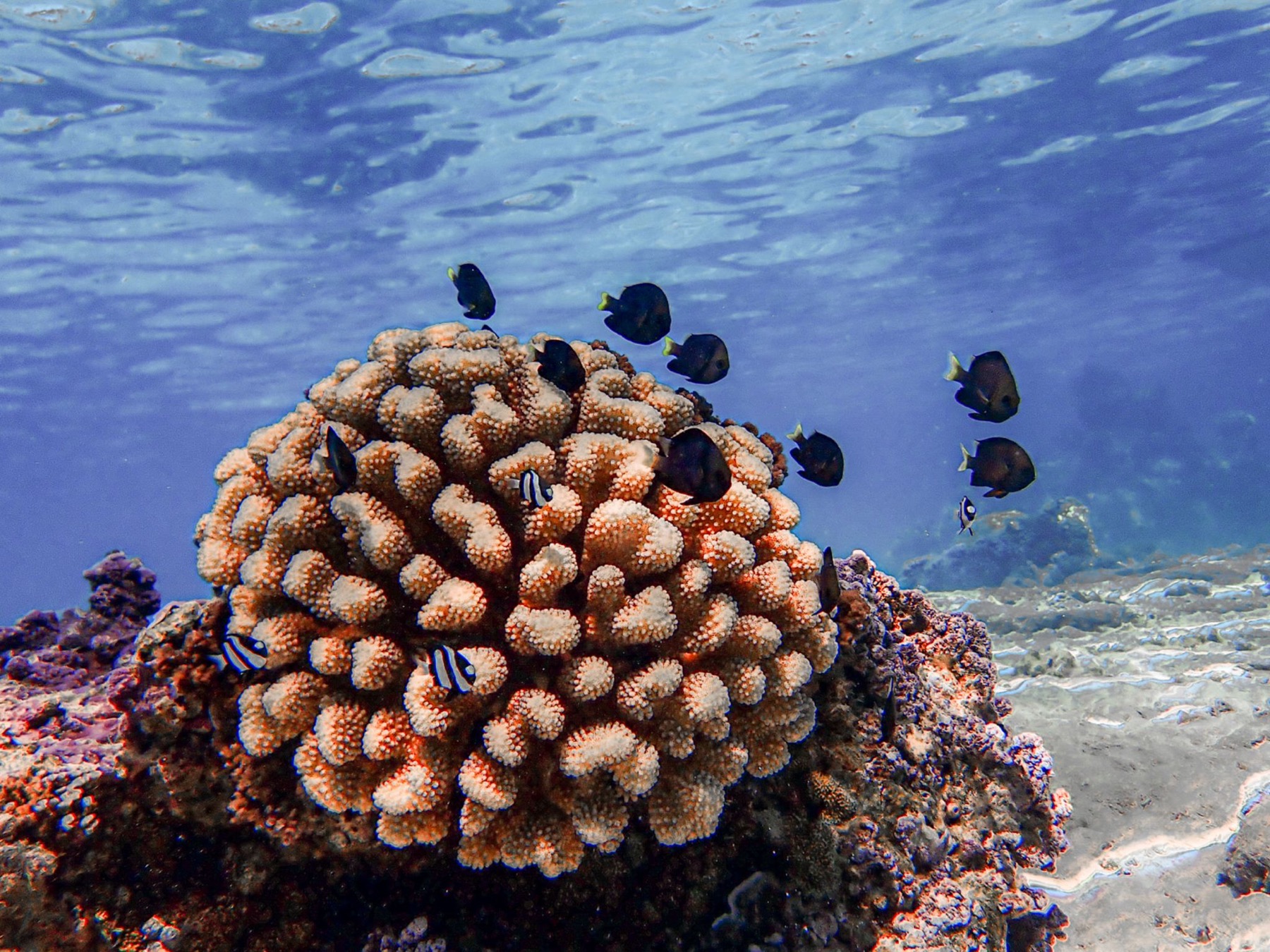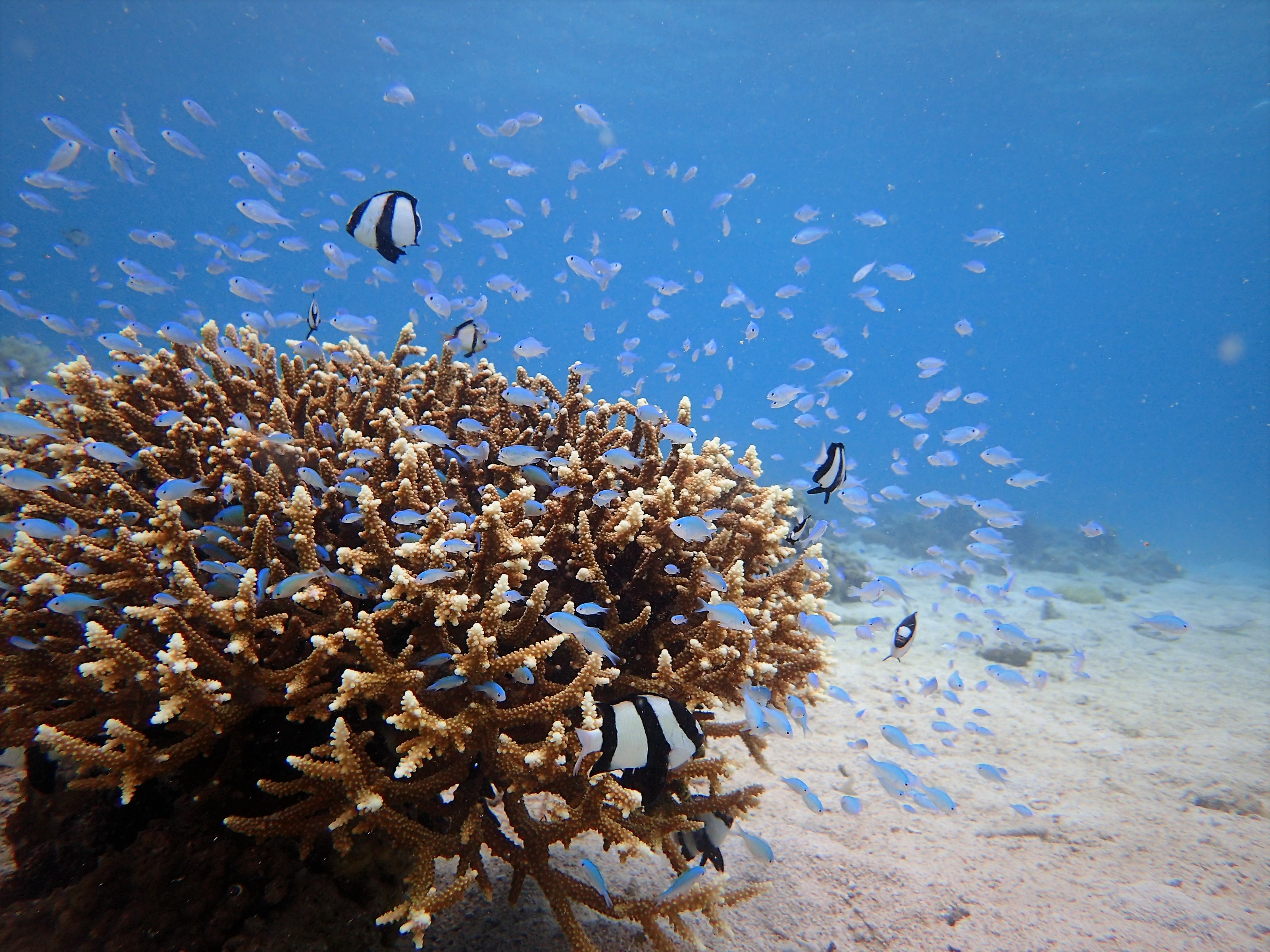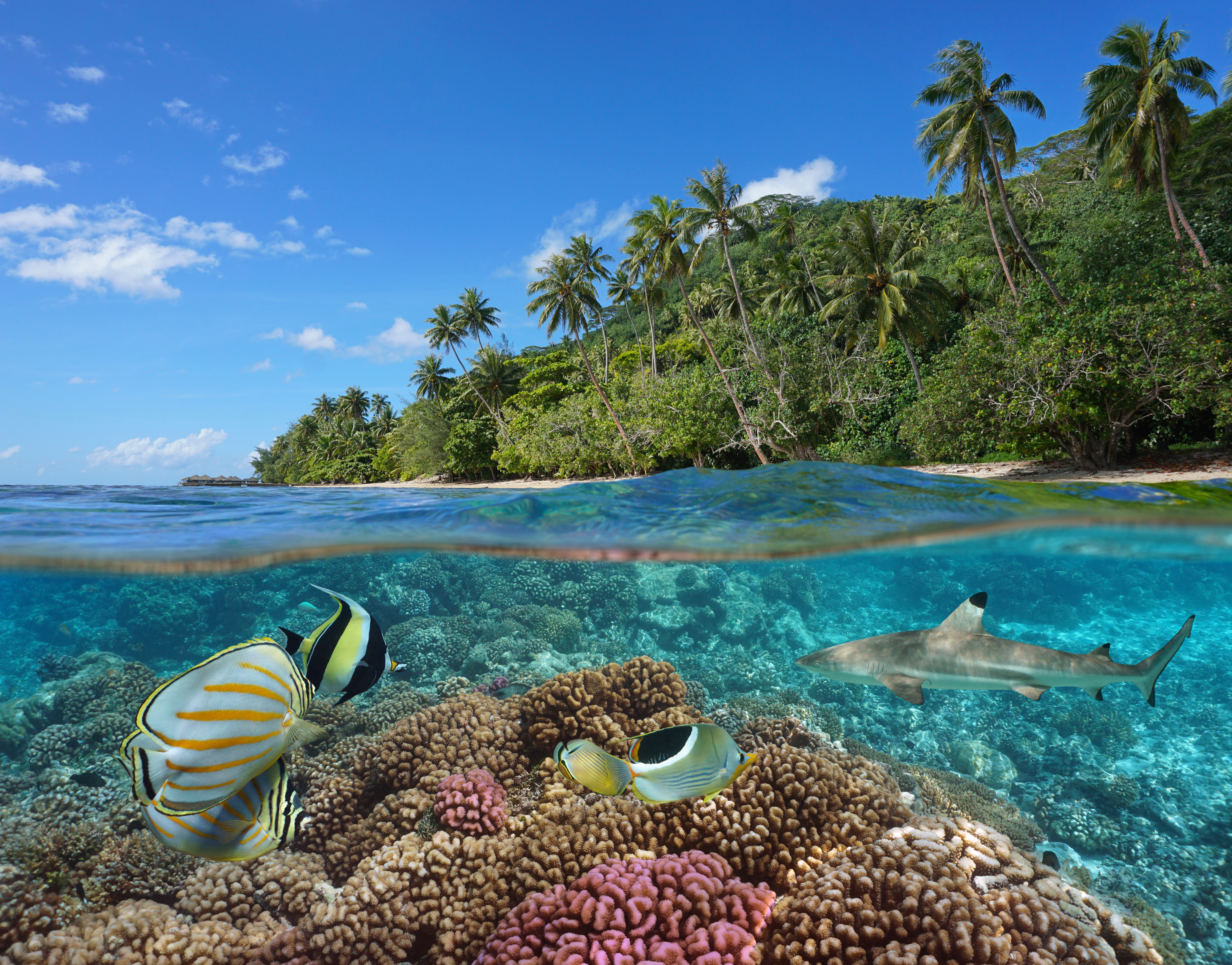
We tested an intuitive idea: coral reefs far from human civilization should be better protected from our influence. But when researchers led by Justin Baumann, working with Lily Zhao, Adrian Stier, and John Bruno, tested this assumption, they found something surprising. We analyzed the relationship between local human influence and coral community resilience across reefs worldwide. They measured both resistance to disturbance and recovery rates following bleaching, disease, storms, and predator outbreaks. The results challenged a fundamental assumption in coral conservation. Remote coral reefs showed no enhanced resilience compared to those near human populations. In fact, some evidence suggested reefs in more developed areas recovered from disturbances faster than their isolated counterparts. The study found no relationship between human influence and resistance to disturbance. These findings have substantial implications for coral conservation strategy. Remote reefs have often been viewed as potential biodiversity arks, places where coral communities might survive as climate change devastates more accessible areas. This study suggests that assumption is flawed. Remote reefs are just as vulnerable to the global threat of climate change as reefs anywhere else. The silver lining in these findings is that some reefs close to large human populations demonstrated relative resilience. This suggests that focusing research and conservation resources on more accessible locations may maximize conservation outcomes rather than investing heavily in protecting distant, isolated reefs. Ultimately, the study delivers a sobering message: there is no hiding from climate change. Geographic isolation cannot protect coral reefs from warming oceans and acidification. Only drastic and rapid cuts in greenhouse gas emissions will ensure coral survival worldwide.
Citation
Baumann, Justin H.; Zhao, Lily Z.; Stier, Adrian C.; Bruno, John F. (2022). Remoteness does not enhance coral reef resilience. Global Change Biology.
"But when researchers led by Justin Baumann, working with Lily Zhao, Adrian Stier, and John Bruno, tested this assumption, they found something surprising."
This paper is Open Access.
Cite this article
Baumann et al. (2022). Remote Coral Reefs Are Also Vulnerable to Climate Change. Ocean Recoveries Lab. https://doi.org/10.1111/gcb.15904