We studied parrotfish behavior across Caribbean reefs and discovered that these critical reef cleaners behave dramatically differently depending on where they live—a finding that could change how we protect coral reefs.
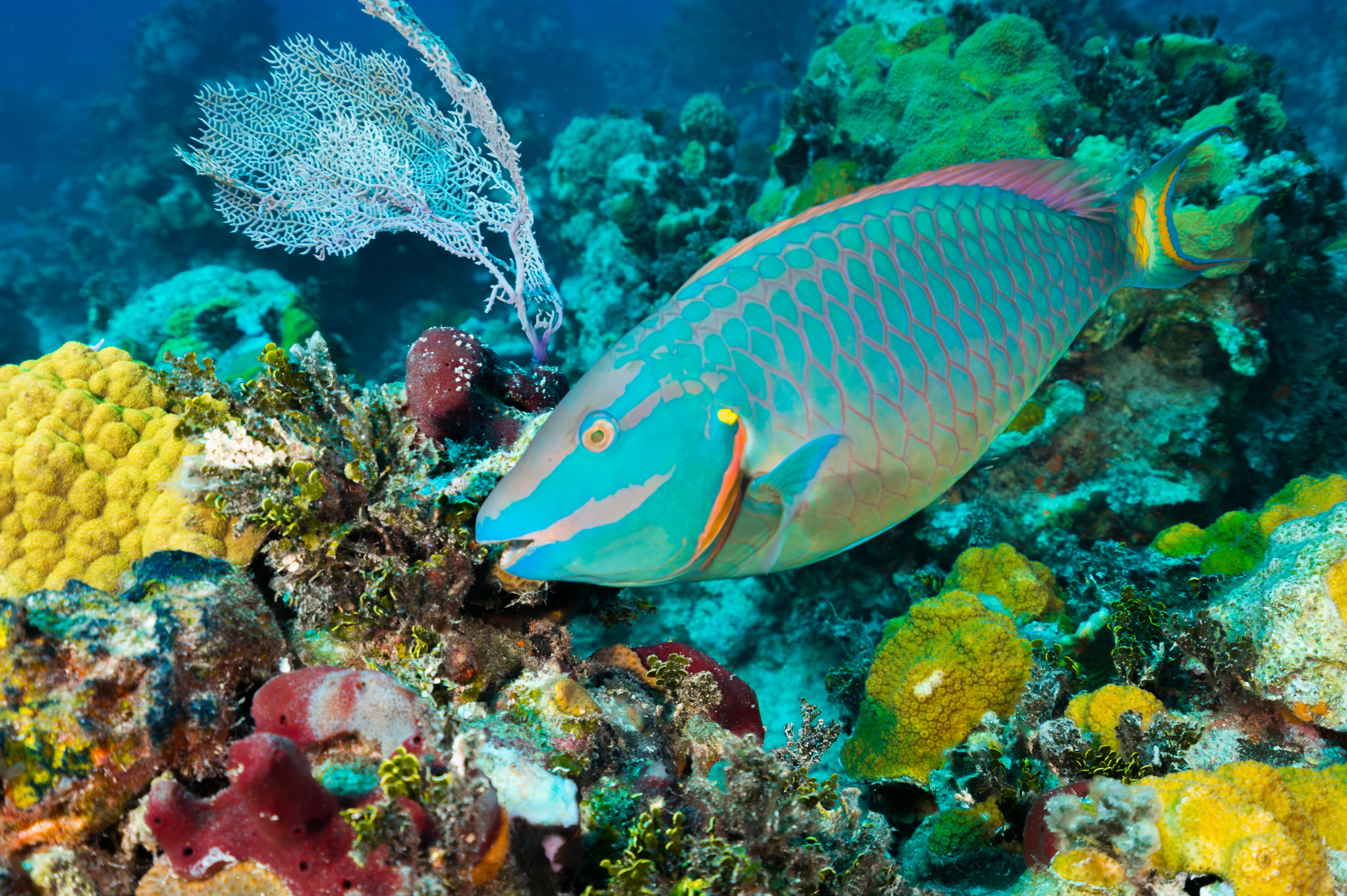
Margaret Wilson and her colleagues wanted to know whether herbivorous fish grazing behavior stays constant across different reef environments, or whether local conditions change how these species feed. To find out, they followed individual parrotfish for 2-minute periods across 13 reef sites spanning Bonaire, Antigua, and Barbuda. They focused on two species—Sparisoma viride and Scarus vetula—recording how often they bit, how long they spent feeding, and how intensively they grazed. They also measured reef characteristics like coral cover, fish populations, and structural complexity.
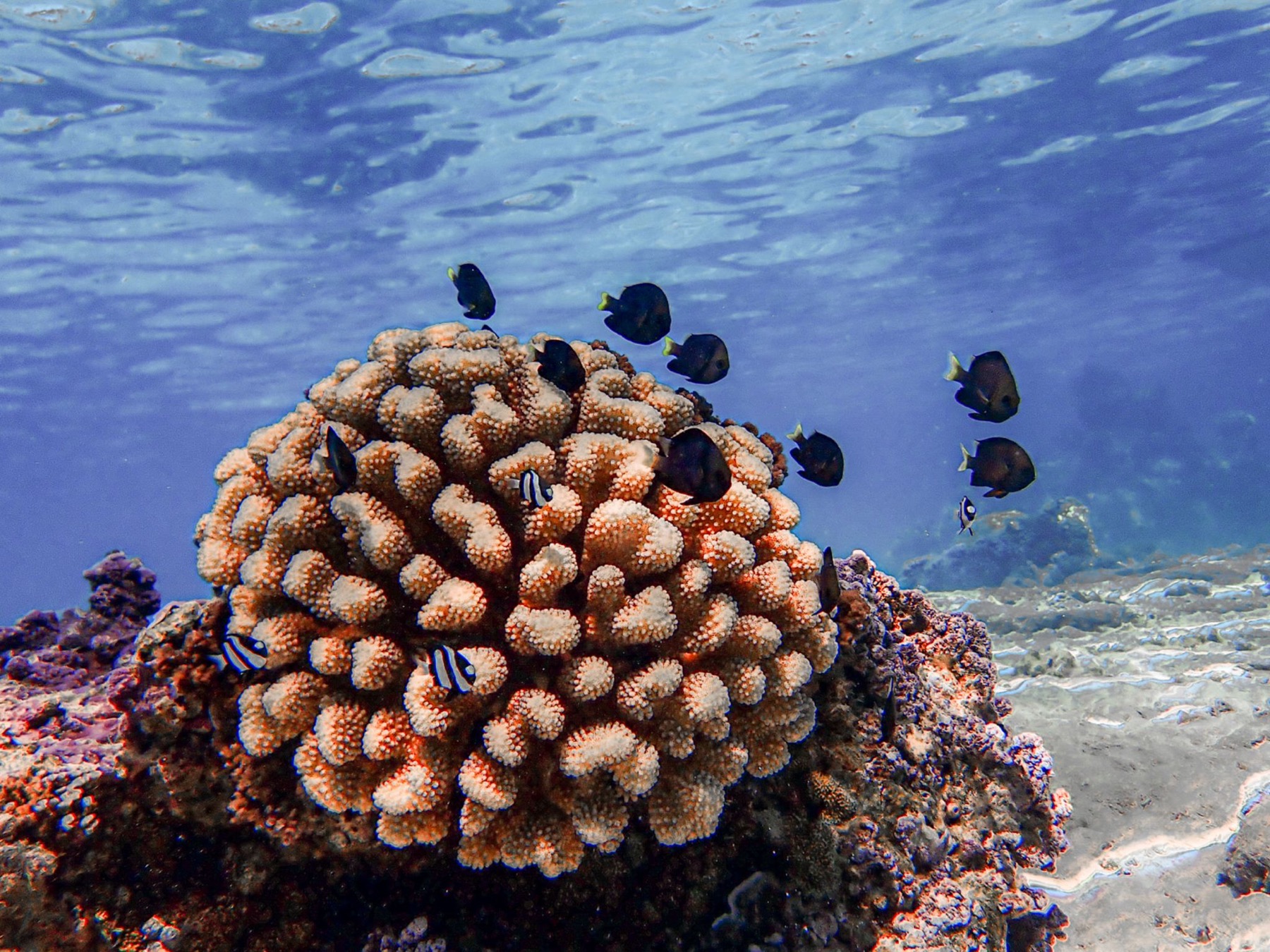
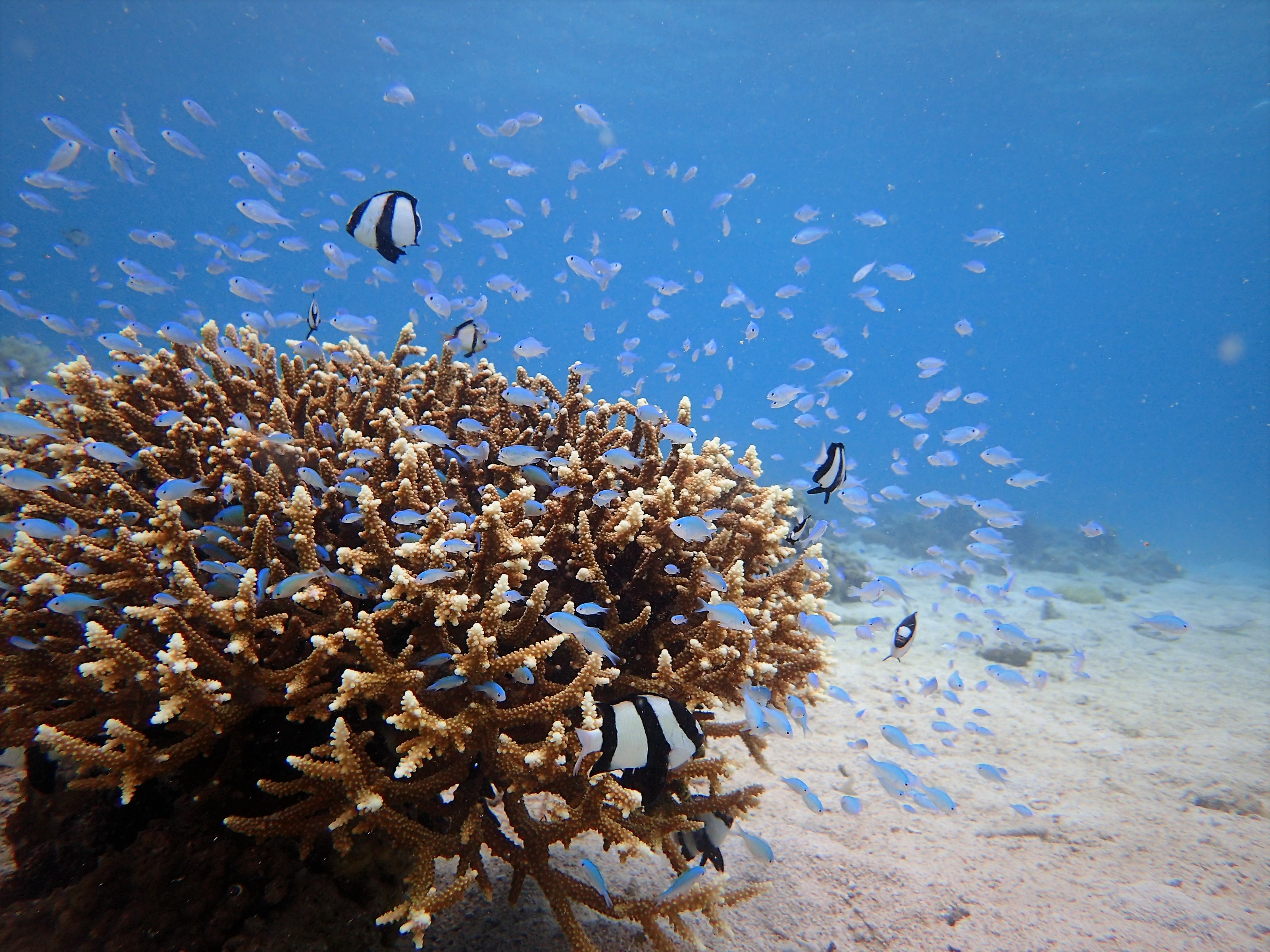
Their analyses showed significant differences in feeding rates, time spent grazing, and grazing intensity across different sites. These behavioral differences could alter the ecological impact of a parrotfish population even when the number and size of fish remained the same. We documented these patterns across reefs that varied dramatically in condition, from Bonaire's pristine waters with among the highest live coral cover and herbivorous fish biomass in the Caribbean region to the more degraded reefs of Antigua and Barbuda with their reduced fish stocks and high algal abundances.
What drives these behavioral differences remains unclear. We suggest several hypothesized mechanisms for these behavioral variations that would benefit from explicit testing in future research—perhaps predator presence, reef structural complexity, or the abundance and nutritional content of algal resources.
These findings challenge a core assumption in reef management. Many current approaches set herbivore biomass targets assuming that grazing behavior remains constant across reef systems. But if herbivore feeding activity is suppressed under degraded reef conditions, the biomass of herbivorous fish capable of maintaining reef function in pristine systems may be insufficient in degraded environments. This could create a reinforcing feedback loop where insufficient herbivory further accelerates reef degradation.
We call for further investigation of the drivers and ecological implications of these behavioral inconsistencies. Understanding what environmental factors drive these behavioral variations and how they translate into ecosystem impacts will be critical for developing management strategies that work across different reef conditions.
Citation
Wilson, Margaret W.; Gaines, Steven D.; Stier, Adrian C.; Halpern, Benjamin S. (2021). Variation in herbivore grazing behavior across Caribbean reef sites. Marine Biology.
This paper is Open Access.
Cite this article
Wilson et al. (2021). Same Fish, Different Appetites: Parrotfish Behavior Varies Dramatically Across Caribbean Reefs. Ocean Recoveries Lab. https://doi.org/10.1007/s00227-021-03844-9