We examined density dependence—the phenomenon where population growth slows as populations become crowded. But studies of reef fishes have produced wildly variable results, sometimes finding strong density dependence and sometimes finding none at all. In this synthesis, Wilson White, Jameal Samhouri, Adrian Stier, Clare Wormald, Scott Hamilton, and Stuart Sandin tackled this puzzle.
The key insight from Our work is that density dependence isn't a fixed property of a species but emerges from interactions between fish behavior, habitat configuration, and how scientists make Our observations. Different experimental designs at different scales can yield completely different conclusions about the same fish populations.
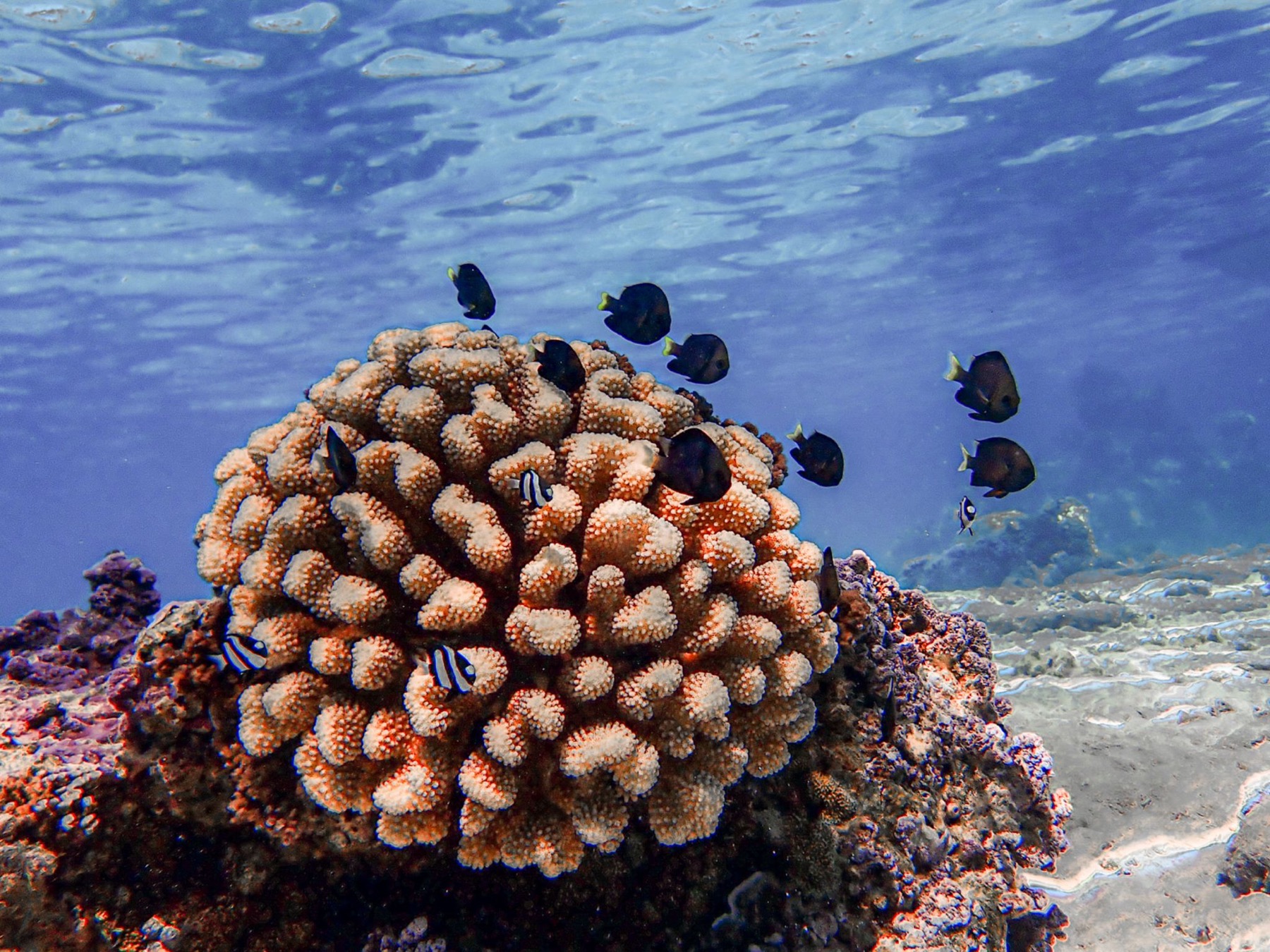
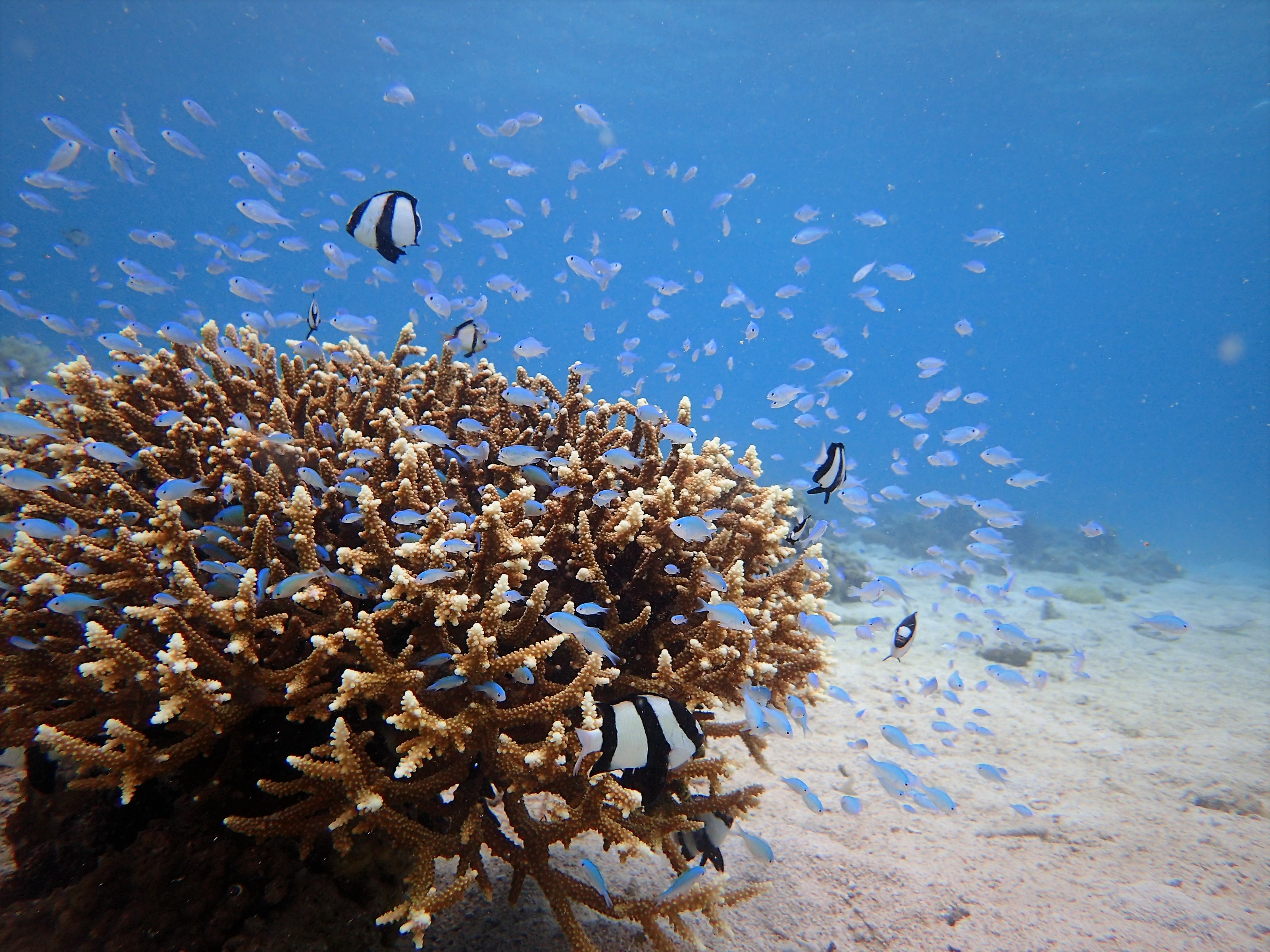
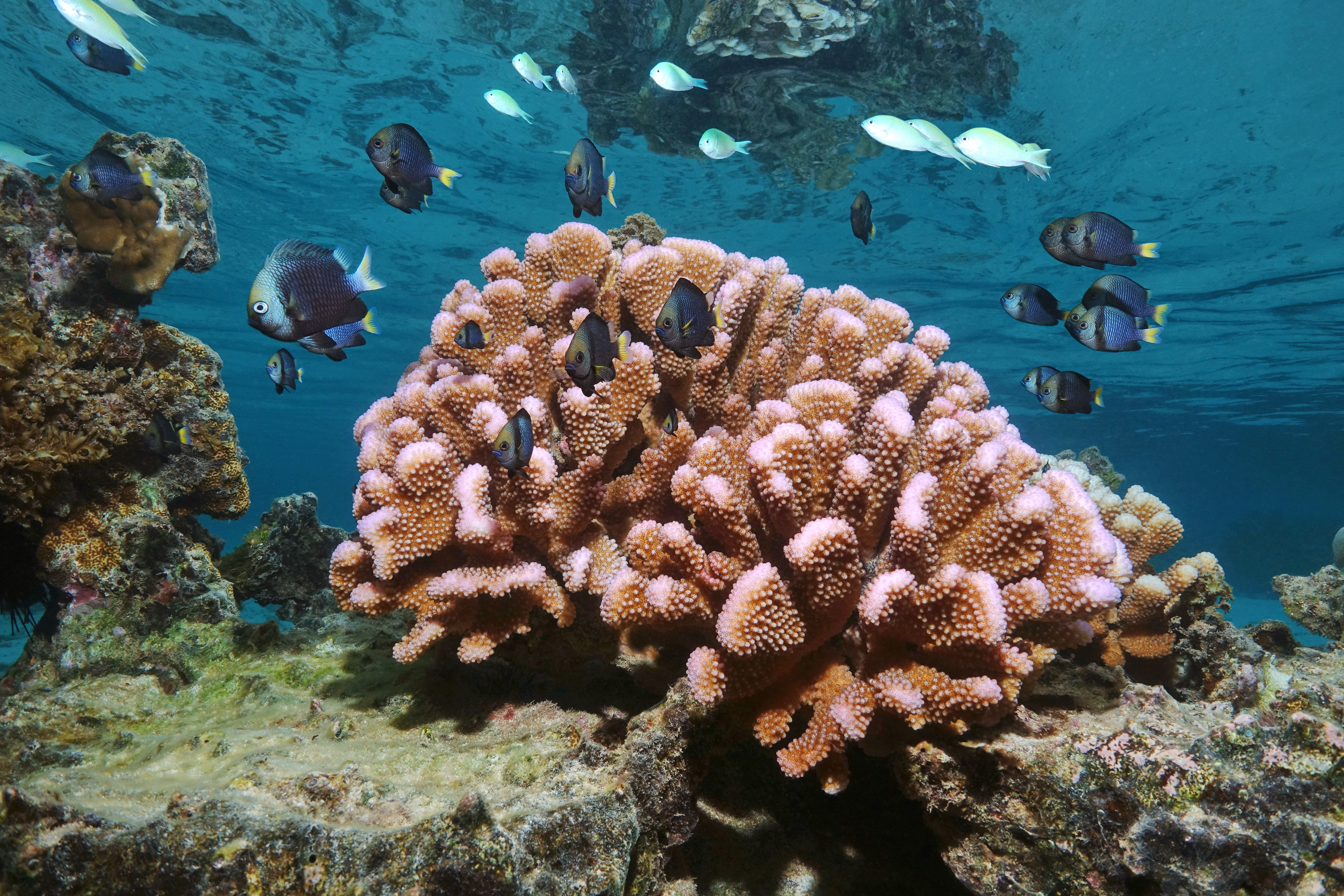
Consider how habitat configuration matters. On isolated coral heads, fish have limited options for where to hide from predators. As density increases, some individuals get pushed to suboptimal positions and suffer higher mortality. But on larger reef systems with more refuges, the same species might show much weaker density dependence because crowded fish can simply move to nearby unoccupied patches.
Predator behavior adds another layer of complexity. If predators focus their hunting on areas of high prey density, this generates strong density-dependent mortality. But if predators are territorial and spread their effort evenly across space, density dependence weakens. We showed how these behavioral mechanisms interact with habitat to produce the variable patterns seen in field studies.
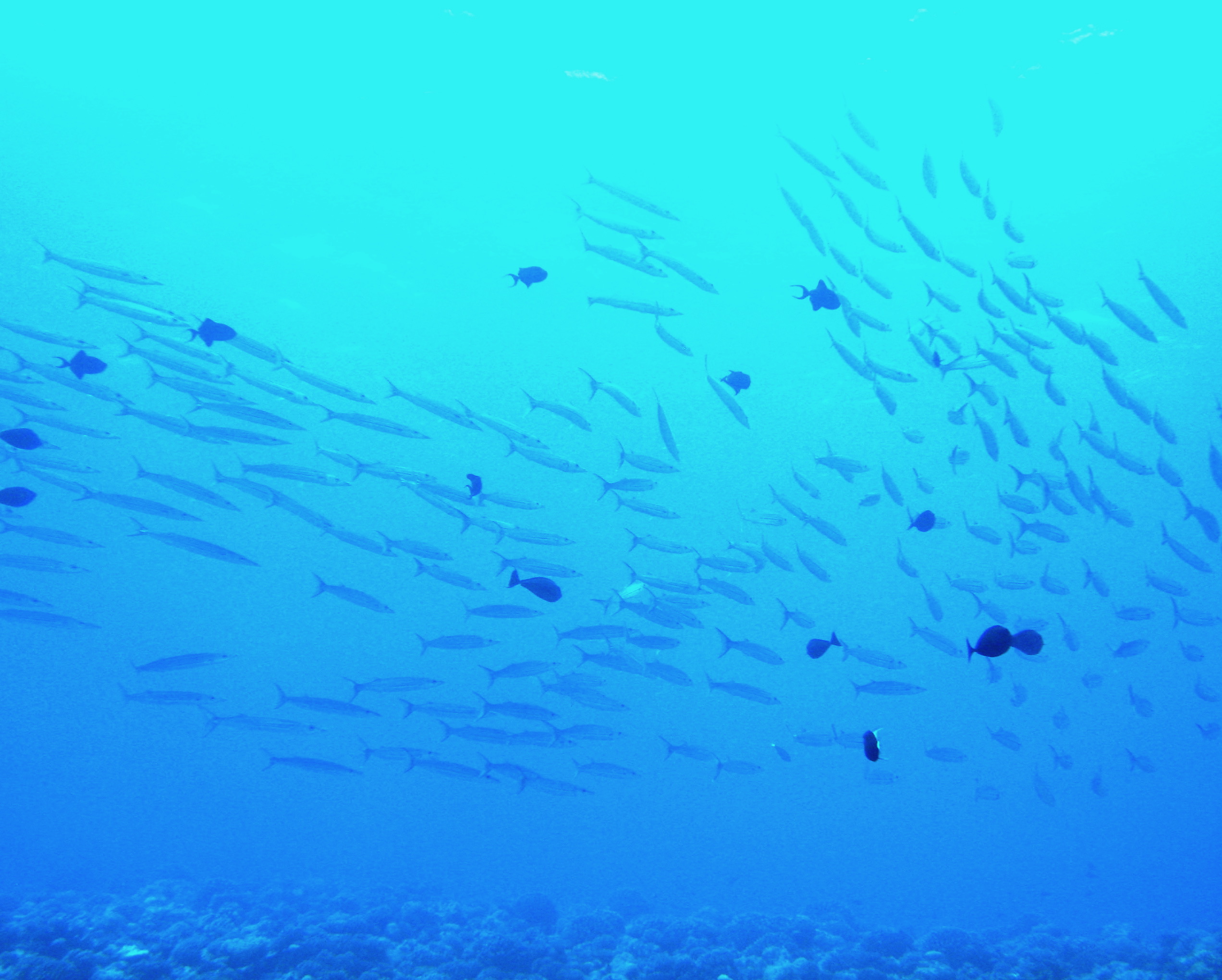
The observational scale problem is particularly important for management. Studies conducted on small patches may detect strong density dependence that disappears when the same population is measured across a whole reef. Conversely, broad-scale studies may miss density-dependent dynamics that operate at local scales. Neither perspective is wrong, but failing to match the scale of observation to the scale of management can lead to poor predictions.
This synthesis provides a roadmap for designing better studies and making more accurate predictions about how reef fish populations will respond to environmental change. As coral reefs face increasing threats from climate change and habitat loss, understanding what regulates fish populations becomes ever more critical for effective conservation and management.
Citation
White, J. Wilson; Samhouri, Jameal F.; Stier, Adrian C.; Wormald, Clare L.; Hamilton, Scott L.; Sandin, Stuart A. (2010). Synthesizing mechanisms of density dependence in reef fishes: behavior, habitat configuration, and observational scale. Ecology.
Cite this article
White et al. (2010). Why Fish Crowding Studies Get Such Different Results: Scale and Habitat Are Key. Ocean Recoveries Lab. https://doi.org/10.1890/09-0298.1